
- About Us
- Events
- Membership
- Fellow Membership
- Reminiscences - Members
- Home
- SACNASP
- Awards
- News
- SA Journal of Chemistry
- Vacancies
- Notices & Announcements
- Chemistry Departments
- Interesting Websites
- Salary Survey

Advertise Here






Obituaries
Professor Denis Ndze Jumbam - 28.07.1956 - 01.10.2024
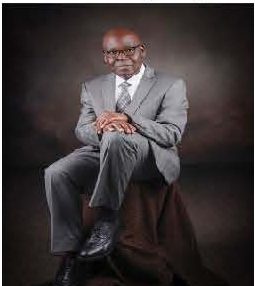
The Late Denis the Chemist
It feels me with a sense of ironic pride to write something about the late Professor Denis Ndze Jumbam. He is reported to have transitioned from earth to the next higher state on October 1st, 2024. The airy spectrum of his life remains but a befitting tribute to his fascinating legacy as a person, a leader, a chemist and above all, a great humanitarian at heart. Denis Jumbam was a full professor of applied chemistry with inclination towards industrial chemistry. He received this prestigious academic recognition from an institution of higher learning situated in the rural heartland of the Eastern Cape, the Transkei. In other words, he dedicated most of his professional life to advancing chemistry and its immediate application to better the lives of those less fortunate than himself, those people who are at the fringes of economic development.
Professor Denis Jumbam was born in western Cameroons in the district or town of Shisong Bue. He spent most of his higher education life in Europe traversing the Alps in Switzerland, the Rhine valley in Germany and had his PhD, (with distinction) in Industrial Chemistry and Environmental Engineering in Austria at the Technical University of Graz. These were achieved; thanks to a Good Samaritan who recognized his talent at an earlier age and assisted him to develop it to fruition. Following the European experience, where he incidentally also learned three different languages: Germany, French and English, he soon came back home to Africa. But, before that home bound journey, one other major academic peck on his shoulder was to join the prestigious Max-Planck Institute in Germany for a one-year sabbatical and developed lasting professional relationship with his mentor. He joined the chemistry department of the University of Zimbabwe as a chemistry lecturer in 1993.
Denis as a person was unmistakenly big and tall, his figure caused unfair preconceived judgement of his personality, he was a jolly good and big fellow when one got to know him well enough, this was at times when he was privately enjoying a drink, a glass of wine or a beer with close friends. He never had more than a few drinks at a time before he was again on the move just like air and flowing out to attend to some other urgent matter that was preoccupying his mind. I invited him to my house for a dinner one day, I had never seen or met such a gentleman in manners, speech, etiquette and attitude towards my hospitality. I thought to myself, whoever raised this man must be very proud of himself or herself. Indeed, his family must be exceptionally proud to have a dad such as him.
Science, especially chemistry and chemical laboratories were close to Deni's heart; I guess after family, this was when Denis was at his most relaxed mood, he loved to wear his white overcoat, leave his deanship office and disappear in his research laboratory to investigate some new reaction he had contemplated or come across in the literature; sometimes to the detriment of his own personal safety. However, nothing too sinister ever happened under his capable hands. As a follow up to his thoughts, he would then device a project for a student to complete under his supervision.
Jumbam, as people often called him, was always in some authority or another during the tenure of his career at Walter Sisulu University or the former University of the Transkei. He headed the department of Chemistry in the mid 2000 whilst also the organic chemistry professor and contributed a great deal to build the laboratory infrastructure for research, acquiring such then exotic equipment as the high field nuclear magnetic resonance spectrometer and ensuring that the staffing in the department was aligned with the visionary expectations of the department. Jumbam was instrumental in inducting Walter Sisulu department of chemistry into the annual SACI Eastern Cape Postgraduate Symposium so that the students could engage more closely with their work and find time to share their research results with students from other regional universities. Denis actually attended every SACI EC Postgraduate Symposium so long as he was in the country and participated to built and shape the organization. He initiated postgraduate students into SACI EC, such that it became normal for our postgraduate students to attend and participate in the symposium annually.
Denis was able to mastermind and host the 13th International SACI Conference at WSU whilst he was dean of the faculty; this was probably the first time the institution had successfully hosted such an
international chemistry conference. All these episodes illustrate how passionate and dedicated Denis was to chemistry and its dissemination, its sustainability as a major discipline in science programmes of higher learning.
Denis is survived by a wife and two sons. May his soul rest in peace.
Author:
Potlaki F Tseki is Associate Professor of Physical Chemistry at the Walter Sisulu University
Professor Rui Krause
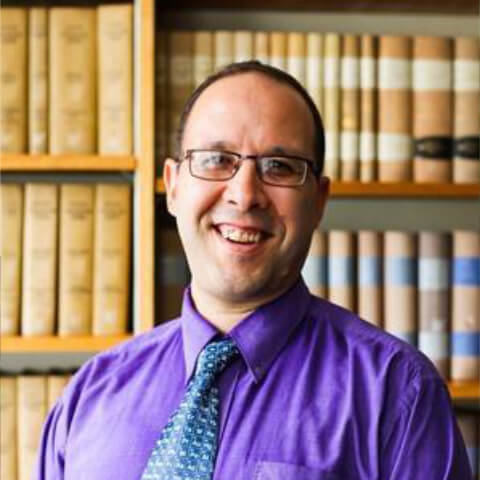
Dear All,
Our friend and colleague, Prof Rui Krause, passed away suddenly this morning [Saturday, 14 September 2024]. We are still in shock and disbelief and doing whatever we can to support his family, research group and colleagues in the Department of Chemistry. Rui was a pillar of the Rhodes Community and the warm heart of our natural products research community. He was kind and generous to a fault and his passing is a devastating loss to us all.
I know you will join me in offering our sincere condolences to Rui's family, students and colleagues.
Rosie
A Tribute to Rui
"Dear Rhodes University Community,
On Saturday 14th September, Rui Krause passed away, survived by his wife and daughters, and leaving behind a grieving community of students and staff who will never be the same again. His career before Rhodes University, and in the decade since joining Rhodes University, were marked with excellent science and the forging of many deep friendships. To each one of you, his friends and colleagues, we convey our condolences.
There are many words that come to mind when I think of Rui: love, kindness, humility, intellect, and generosity of spirit. His love for people was boundless, and he showed this through the immense care he gave to his students, many of whom travelled from far and wide to study under him. He treated everyone with equal respect, regardless of their background or status, never standing on ceremony. Rui was approachable, warm, and always had time to offer guidance, even when his own plate was overflowing.
Rui had a remarkable ability to balance both heart and mind, seamlessly blending his deep faith with a rigorous commitment to science. His intellect was vast, and I often marvelled at how he could know so much about so many things. And yet, despite his brilliance, Rui remained humble. He spoke to everyone, no matter their position, with the same care and respect, always willing to help and uplift others, often placing their needs above his own. His kindness towards students was remarkable, and each one can tell a story of his generosity and compassion.
His sense of humour, often that of a classic "Dad joke," never failed to lighten the mood. That humour was just one of the many ways Rui connected with those around him, drawing people in with his warmth and openness. His humanity touched everyone who knew him, and his entrepreneurial drive, coupled with a deep love for books, reflected his constant pursuit of knowledge and betterment.
In Rui, we found not just a colleague but a dear friend. His memory will live on in the lives of all those he touched – in the students he mentored, the colleagues he inspired, and the countless others who were fortunate enough to know him.
Rui was, and will always be, a man of faith, of science, and above all, of love."
Written on behalf of the Department of Chemistry (by Vincent Smith and Rosa Klein and issued by the Division of Communication and Advancement on behalf of the Faculty of Science at Rhodes University
Professor Jan G.H. du Preez 6.10.1930 – 19.06.2024
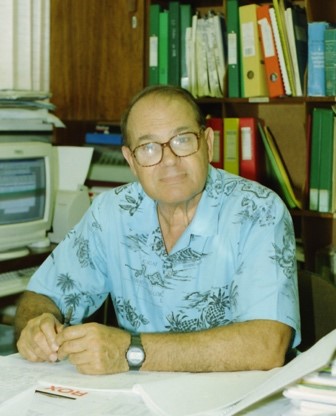
Jan Gysbert Hermanus du Preez was born on 6 October 1930 and raised in the Piketberg area of the Western Cape, where he attended Piketberg High School (1944–1947).
He displayed an interest in science from a young age and at the age of fourteen, built a small laboratory out of stone on his father’s farm. For those resourceful enough, a variety of chemicals could be found locally – a motor car battery provided sulfuric acid which with salt and saltpetre obtained from the general dealer allowed the preparation of hydrochloric and nitric acids; the shopkeeper also stocked Condy’s crystals (potassium permanganate), Glauber’s salt (sodium sulfate), washing soda (sodium carbonate) and ammonia solution, to name but a few. Scraps of copper and zinc were found, making possible a range of interesting experiments. By the time he reached high school, the young boy had already digested several chemistry textbooks and courted unpopularity with his somewhat ill-trained science teacher by often correcting the unfortunate person on chemistry matters.
Professor du Preez attended Stellenbosch University (1948–1961), obtaining a BSc degree and ultimately, a PhD in Chemistry in 1956 under the supervision of Professor E.F.C.H. Rohwer. He was appointed as a Lecturer in Inorganic Chemistry at Stellenbosch, before moving to the University College of the Western Cape (UWC) on promotion to a Senior Lectureship, and in 1966 took up the Chair of Inorganic Chemistry at UWC. He also became head of the Department of Chemistry.
Professor du Preez spent the period Sept 1962–Dec 1964 as a Senior Research Fellow at the Atomic Energy Research Establishment at Harwell in the UK, working on basic uranium chemistry in the Actinide Chemistry Research Group led by K.W. Bagnall, an authority on the chemistry of the lanthanides and actinides.
The University of Port Elizabeth had come into being in 1964 and the first lectures took place in March 1965. The two founding professors in Chemistry, Professors Ferdi de Wet and André Goosen, soon realised that a further appointment was needed. In July 1966 they attended the South African Chemical Institute Convention in Stellenbosch with the purpose of finding a suitable person, and identified Professor Jan du Preez, then at UWC. The necessary arrangements were made and by September, Professor du Preez was offered the Chair of Inorganic Chemistry at UPE. He accepted and took up the new post in January 1967.
Professor du Preez would later serve several terms as Head of the Department of Chemistry and was Dean of the Faculty of Science for the period 1975–1976. He was a Visiting Professor at the University of Manchester, England, in 1973.
Professor du Preez’s arrival at UPE ushered in the next phase in the development of the Chemistry Department, where the Inorganic specialisation field would come into its own alongside the Physical and Organic divisions. He set about designing under- and post-graduate courses in Inorganic Chemistry, covering the basic chemistry of all the important elements.
The establishment of an Inorganic Chemistry research group at UPE was another priority for him. Recognising the mining sector’s need for research into metal ion separation, he cooperated extensively with industry. In 1974 he set up and directed the CSIR Uranium Chemistry Research Unit at UPE, which provided for coordination of the research effort; the unit was later renamed as the Research Unit for Metal Ion Separation.
Initially, the focus was on basic and applied aspects of the hydrometallurgy of d- and f-block transition metals, i.e., ore dissolution, metal extraction and separation (including the development of new separating agents and methods), the computer simulation and quantitative description of simultaneous equilibria in aqueous and non-aqueous media. In later years, it narrowed to the hydrometallurgy and coordination chemistry of the Platinum Group Metals.
Research collaborations were established with various companies and organisations: Atomic Energy Board (AEB) (1972–1993); Johannesburg Consolidated Investment Co. Ltd. (JCI) (1975–1978); Gencor/Billiton (1978– 2001); Medical Research Council (MRC) (1989–1992); Impala Platinum (1994–2008); Shimoda Biotech/Platco Technologies (2002–2008); various others – Gold Fields, Mintek, AECI and Sasol.
After attaining retirement age in 1995, Professor du Preez remained fully involved with the UPE Department of Chemistry as a Research Associate. At this time the association developed with Shimoda Biotech, a South African biotechnology company owned by UPE Chemistry alumnus Greg Gilbert. Gilbert formed Platco Technologies as a subsidiary of Shimoda Biotech to enable research on platinum-based chemotherapeutic agents at NMMU by the Du Preez group.
In 2008 Shimoda Biotech and Platco Technologies were sold to US-based Abraxis Bioscience, with the funds secured from this deal leading to the establishment of an excellent chemical laboratory in George in the Western Cape, to which Professor du Preez and his research students moved in Sep 2008. The next three years were spent on refining the synthesis of Oxaliplatin (an existing colorectal cancer drug), and creating novel platinum(IV) and glucose-platinum-based agents which showed pre-clinical potential. Several patents resulted from this work.
At that time Professor du Preez relocated to his holiday home in Stilbaai in the Western Cape and traveled to the George laboratory monthly to monitor and guide the research. In May 2011 Abraxis Bioscience underwent restructuring, and unfortunately both Shimoda and Platco were lost in the process.
During his career, Professor du Preez authored or co-authored 183 publications in international journals and made numerous presentations at international conferences on both actinide chemistry and hydrometallurgy, serving on steering and organising committees in some instances.
He supervised or co-supervised 47 MSc and 23 PhD students over the period 1969–2005.
In 1996 he achieved a National Research Foundation B1 rating for research scientists.
Other affiliations held by Professor du Preez included: Associate of the Royal Institute of Chemistry; membership of the South African Chemical Institute (of which he served as Chairman of the Eastern Province section); UPE representative on the 3C's Committee of the Council for Mineral Technology (MINTEK); member of SA Akademie vir Wetenskap en Kuns, as well as Chairman of the Eastern Cape Branch (1982–1985 and 1988–1991); Research Adviser on Inorganic/Analytical Chemistry to the National Chemical Research Laboratory (NCRL) at the CSIR, Pretoria, for many years.
Among the notable awards received by Professor du Preez were the AECI Gold Medal of the South African Chemical Institute (1971), and the South African Chemical Institute Gold medal in 1990 "as recognition of excellency in research, education of students and numerous international distinctions."
Perhaps English was only occasionally heard in Piketberg and on arriving at UPE, Professor du Preez’s command of the language was at first shaky, sometimes leading to convoluted and unintentionally comical turns of phrase. However, with English being the prescribed language medium for teaching Chemistry, he had little option but to persevere and eventually became completely fluent. He later admitted that had he not spent two years in England at Harwell, his proficiency in English would have been a lot worse!
His lectures were always entertaining and in the early years punctuated with frequent clearing of his throat which bought time as he searched for the appropriate English translation of his line of thought, which was no doubt in Afrikaans. He had a gift for vivid homespun imagery to describe chemical concepts, for example in referring to shared electrons: "Hulle is soos skape wat op 'n ander man se plaas wei!" (They are like sheep grazing on another man’s farm). Students would remember content from his lectures for years afterwards.
Professor Du Preez was extraordinarily single-minded and focussed on his work, almost to a fault at times. He had a knack for identifying potential in people and motivating them to self-belief and even where their circumstances were difficult, to rise above their situations. He made an impact of the lives of many students as exemplified by one of his last PhD students, Dr Yatish Jaganath, who commented recently:
On a personal note, Prof was more than just a supervisor to his students. He was a mentor and a father figure who provided life advice and support to his students. We were inspired by his disciplined yet balanced lifestyle. He never failed to acknowledge the blessings that God had given him, and his humility always shone through. This is what endeared him to his students. His success was dependent on our success, and our desire to complete our degrees was partly based on making him proud.
When I met up with Prof and Tannie Esther in December 2023 at his son’s home in PE … I took the opportunity to thank Prof for all he had taught me and how he had inspired me to pursue my career path. I reminded him of one particularly poignant piece of wisdom he shared when I was deliberating over a decision to work at Shimoda after the PhD or to pursue a post doc in 2008: I expressed concern over what assurance or “safety net” there would be should I go straight into industry – what if things don’t work out and I am left without a job. Prof told me that I am my own “insurance policy” – my work ethic and character will see me through and safeguard against uncertainty in this world.
The young Jan Du Preez excelled as a rugby player who was known for his exceptional pace, playing for Stellenbosch University and Western Province, first at centre and later, on the wing; he was known among many Stellenbosch University supporters as “Die Jet”. He represented the Southern Universities rugby team that toured Italy, France and England in 1955–56, the South African Junior Springbok rugby team in 1955, and the Springbok team that toured Australia and New Zealand in 1956. He played in the first Test against the All Blacks in Dunedin but was unfortunately later side-lined through injury.
In his spare time Professor du Preez cultivated proteas and was a pigeon fancier. These finicky creatures can be vulnerable to various ailments requiring treatment with drugs. If he himself happened to feel off-colour, he was not averse to sometimes taking a dose of the “duiwe medisyne” himself.
A self-assured and seemingly indestructible man, a larger-than-life figure in many respects, with a strong sense of his faith and of his family, a man who left his mark in numerous arenas, Professor Jan du Preez is survived by Esther, his wife of almost 67 years, and sons Izak and Daniel.
Professor C.W. McCleland
24 Jun 2024
Professor T.A. Ford
BSc (Hons), MSc (Wales), PhD (Dalhousie), CChem, FRSC, FRSSAf, FLSW, FSACI, Fellow of the University of KwaZulu-Natal, Fellow of the International Union of Pure and Applied Chemistry.
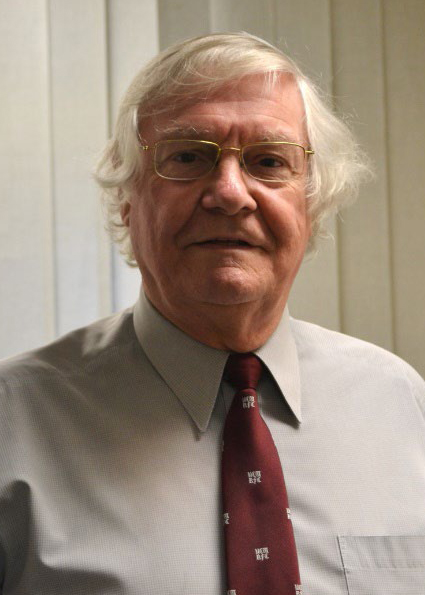
Tony Ford: the man and the chemist
The South African Chemical Institute is deeply saddened by the loss of its former President, Emeritus Professor, Tony Ford.
Prologue
To be born in Wales,
Not with a silver spoon in your mouth,
But, with music in your blood
And with poetry in your soul, Is a privilege indeed.
“In Passing”. Brian Harris (1967)
Thomas Anthony Ford was born on the 4th August 1941 in Aberystwyth, a town about halfway up the west coast of Wales. He passed away on 1st April 2024 in Durban, a town about halfway up the east coast of South Africa. It was exactly one month after St David’s Day, the patron saint of Wales.
In between was a life spent in the UK, Canada, the USA and South Africa.
The fact that he is known as Tony is a Welsh quirk; not the shortening of his second name but that he is known by his second name. This is due to the fact that many first-born sons in Wales are given the same first name as their fathers; using their second name ensures that there is no confusion.
Tony: the man I knew
I first met Tony at the start of 1978 when I arrived at Wits University to commence my PhD when Tony was a Senior Lecturer in the Chemistry Department.
The last time I saw him was on the evening of 1st April. I received a phone call from his stepson who had been phoned by the hospital that Tony was in, requesting that a family member come there. As none would be able to get there, I was asked to go in their stead.
To borrow from the Welsh poet Dylan Thomas, I arrived at the hospital just after Tony had failed to continue to rage against the dying of the light; he had already gone gentle into that good night. Now peaceful in that inevitable infinite slumber, even though Tony was not Welsh speaking, my instinct was to speak the words I had heard from my parents so many times: Nos da i ti (“Goodnight to you”).
There is an assumption that all Welshmen play, sing and drink beer. Tony ticked all three boxes there: second-row forward, lovely tenor voice and a taste for Carling Black Label.
We met in the bar of the newly formed University of the Witwatersrand Post-Graduate Club. Although a member of the Staff Club, Tony much preferred the far more convivial atmosphere of the post-grad club.
There is also an assumption that if two Welshmen join an establishment devoid of a choir and a rugby team, they will immediately rectify this. Saturday night singing (I use that word very reluctantly) at the post-grad club made it clear that any attempt at forming a choir would be a lost cause; the Croaking Frogs of Aristophanes had more harmony than that bunch. Besides which Tony was already a member of a choir.
As regards a rugby team, that took a little longer. When the University of the Witwatersrand Post-Graduate Rugby Team eventually took to the pitch for the first Inter Faculty match, the pack leader Tony Ford proudly led us out onto the pitch.
While he gracefully soared into the sky to catch the ball at line-outs, it became very clear very quickly to me at outside-half (that’s #10 for those of you who are not Welsh) that the members of the post-grad club had a talent for rugby that was on a par with their talent for singing. However, between the two of us, we devised some cunning Welsh tactics that enabled the team to make a good showing in the first season.
In the modern era of professional sport and commercialisation, it is oft forgotten that team sports were originally made part of the school curriculum in the UK to develop comradeship. This is the aspect that Tony most enjoyed both in rugby and in the Welsh Male Voice Choir that he was a member of while in Johannesburg as well as in his academic career.
I had moved down to UCT before the following rugby season but Tony continued to frequent the Wits post-grad club until he moved to the University of Natal, Durban in 1992.
I had already been there for three years and, when we met up, we agreed that our rugby careers should continue- in the stands. So, we purchased a pair of Kings Park season tickets and over the years steadily improved the position of our seats until we were as close to the halfway line as possible without becoming a rugby administrator.
At innumerable matches we discussed rugby at length, keeping our voices low when it came to Welsh rugby, and how these days it wasn’t the game we played.
When the Chemistry and Geology departments were still on what is now the Howard College campus, we used to meet most lunchtimes to set the world right. We were never deterred by the rather direct comments by our Dean about seeing us in the Staff Club each time he was there. We were engaged in discussing important academic and international matters.
When our departments were moved across to the Westville campus, the lack of a suitable staff club drove us to take lunch off campus at Waxy’s in Westville. This tradition continued once a week after Tony had retired nearly up to the very end. In this we were joined by my colleague from Geology, Steve McCourt, and by Peter Leach from Mathematics, whereupon we rotated our largess between all three Waxy establishments in Durban, branching out to Stoker’s in Kloof.
I must admit that sometimes Tony and I rather went off on our own when discussing Wales. Mentioning places near Aberystwyth like Devil’s Bridge or Borth caused some glazing over of the other two. When it came to Llandysul and Llandysilo, there was a look of confusion on their faces: weren’t they the same? While Penrhyndeudraeth induced near panic in them: was it some disease? They would quickly order another drink to ward off the bacteria.
Tony: the chemist
Tony’s undergraduate degree in chemistry was obtained at the University College of Wales, Aberystwyth. I am being very precise about this; that degree in 1963 and his MSc in 1965 were awarded by the University of Wales. He was proud of that, as I am of mine from UC Swansea, and we both lamented when that university was dismantled and each college became a separate university. It removed the unification that all Welsh students felt for our national university.
While an undergraduate, Tony had taken the opportunity of an exchange scholarship in Italy for a summer. This may have stimulated his desire to expand his horizons because, for his PhD, he crossed the Atlantic to Dalhousie University, Halifax, Nova Scotia, Canada. Presumably he was aware in advance that the climate would be rather different to sunny Italy. However, having grown up in Aberystwyth, he was conditioned for a cold, wet climate.
After his PhD was awarded in 1968, and possibly requiring further purgatory in a climate devoid of sunshine, he crossed the Atlantic back to the UK. He went to the north-west of England, first to the University of Salford, England then to nearby Stockport College of Technology.
In 1970 it would appear that the desire to dry out and see the sun may have been one of the reasons why he chose to go abroad again, this time permanently. He joined the staff of the Chemistry Department at the University of the Witwatersrand, Johannesburg. Over the next 22 years he rose up through the ranks from Lecturer to Senior Lecturer to Reader and then Associate Professor. In 1991 he was appointed as Deputy Dean of the Faculty of Science.
His sabbatical leaves were all spent overseas. In 1974 he returned to Canada as a visiting associate at the University of Toronto. In 1982 he sensibly chose the warmer climes of the University of Florida, while in 1988-89 he was a visiting researcher at the Los Alamos National Laboratory, Los Alamos, New Mexico, USA (which, given the success of the film Oppenheimer, may be a name familiar to many now).
Then in 1992 he abandoned the cold highveld winters in favour of the sunny seaside resort of Durban when he was appointed Professor of Theoretical Chemistry at the University of Natal. The following year he was appointed Director of the Centre for Theoretical and Computational Chemistry at the university. Then in 1998 he commenced a 3-year headship of the Department of Chemistry and Applied Chemistry which, in 1999, became the School of Pure and Applied Chemistry. After retirement in 2006 he was appointed an Emeritus
Professor at the University of KwaZulu-Natal.
The quality of his research was such that in 1989 Tony was awarded the AECI Gold Medal, for papers published in the South African Journal of Chemistry from 1985-88. In 1997 he was awarded this again, for papers published in the South African Journal of Chemistry from 1993-96. Then in 2006 he was awarded the Gold Medal of the South African Chemical Institute, for scientific contributions in the field of chemistry adjudged to be of outstanding merit.
I have not even discussed his teaching. Suffice it to say that in Wales there’s a tradition of producing preachers and teachers. Tony excelled at both being an excellent teacher of chemistry who preached a doctrine of “meticulous detail” in research that others have now adopted.
As for all those “F”s that follow Tony’s name, you can only be elected as a Fellow of learned societies or institutions by other Fellows for your outstanding service in the field of that society or institution. So each of those “F”s deservedly reflect the years of quality teaching, research and administration involved in Tony’s career as a well-respected and well liked chemist, both nationally and internationally:
• In 1979 he was elected as a Fellow of the Royal Society of Chemistry
• In 1998 he was elected as a Fellow of the Royal Society of South Africa and as a Fellow of the University of Natal
• In 2002 he was Elected as a Fellow of the International Union of Pure and Applied Chemistry
• In 2012 he was elected as a Fellow of the Learned Society of Wales
• In 2013 he was elected a Fellow of the South African Chemical Institute (having been President from 2005- 2007).
Epilogue
Through all the years I knew Tony, he was the best of companions: never boring, never irritating or irritated, and always with some eminently sensible and interesting contributions to any conversation.
To put it quite simply, he was the finest of gentleman in both senses of the word.
Whilst I and others, both here and around the World, have lost a good friend and colleague, his family has lost a husband, father and grandfather who is irreplaceable. Please bear them in your thoughts.
Bryan Jones, one of Tony’s friends from his school days in Aberystwyth, could not have put it better in his eulogy:
Diolch a chysgwch yn dda
(“Thank you and sleep well”)
Prof. M.K. Watkeys
Benjamin (Bennie) Staskun 1925 - 2023
 Staskun.jpg)
Ben was born on the 29th August 1925 in Malat, Lithuania. He emigrated to South Africa in early 1930 with his parents, Dora and Sender Staskun.
After matriculating from Athlone Boys High School in 1943, he enrolled at the University of the Witwatersrand in 1944 and graduated with a Bachelor of Science degree in 1947, followed by a B.Sc (Hons) in 1948, M.Sc. in 1951, Ph.D in 1955. His Ph.D was under the supervision of Professor Henry Steven, OBE. Ben was appointed as a temporary Junior Lecturer in the Chemistry Department at Wits in 1955. This was converted to a permanent appointment in 1962. He was promoted to Senior Lecturer in 1966; Reader in Organic Chemistry in 1970; and then Reader and Associate Professor in 1974.
He went on to receive a D.Sc. in 1992, conferred on him for “Contributions to Heterocyclic Synthesis and to Synthetic Methodology in Organic Chemistry”.
While at Wits he spent sabbaticals as a Post-Doctoral Associate at Stanford University, Palo Alto, California in 1968; and Visiting Professor at the University of Delaware. Newark, Delaware in 1975; University of California, Los Angeles (UCLA), 1981; Virginia Polytechnic Institute and State University, 1989; and at Rutgers University in 1994 and again in 1998.
Ben met Mina Friedman during her final year at University and they married in 1959. They were blessed with one child, Jonathan, and three grandchildren.
Ben made a significant contribution in the field of Organic Synthesis, publishing over 70 research papers in International Journals.
Ben retired in 1992, but carried on doing research in the Chemistry Department at Wits until he and Mina relocated to Sydney in 2003, to join their family Jonathan, Leora and the grandchildren. Ben was appointed as an Honorary Professor in the Chemistry Department at Macquarie University from 2003, where he continued doing research and publishing his work until 2016.
In 2006, Ben was awarded the Merck Medal of the South African Chemical Institute of which he was a member. He was also a member, and then an Emeritus Member, of the American Chemical Society since 1975.
Ben was a caring and dedicated lecturer, ensuring the courses that he taught to his Honours class were up to date, spending many hours in the library combing the latest literature for results to be incorporated in his lectures.
Ben was a devoted and loving husband, father and grandfather. He was a gentle, kind and humble person. He will be remembered by friends and family for his great sense of humour and jokes all told with an infectious smile and a twinkle in his eye.
Ben passed away on the 31st October 2023. He is survived by his wife Mina, son Jonathan and family. He lived a long, fruitful and productive life and will be remembered with deep love and respect.
Dr MA Botha (1953 - 2023)
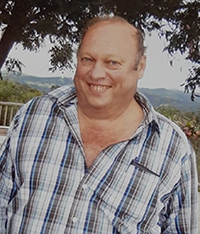
Michael Ashley Botha was born in 1953 in Port Elizabeth, the first son and second eldest child of Norman and Nancy Botha. Michael was a man who made a presence in a room. Large in stature and confidence, he socialised with ease and made many lifelong friends across the country. His generosity of spirit is remembered by so many people from all walks of life and it has been heartwarming and comforting for the family to hear the stories of the many people he connected with. Michael was perhaps best known for his love for knowledge and learning. Michael flourished in his work, and he developed a strong desire to learn and educate himself. He had a keen interest in engineering and was an active member of numerous academic associations and boards. Despite leaving school at a young age, his determination saw him progress to the title of Dr. Michael Botha- a man most respected by the institutes with which he has worked. In his most recent years, Michael was well known for helping others achieve their academic dreams and dedicated much time and effort to encouraging others to overcome their challenges. We know that it would make him proud to be remembered as someone who supported and helped make knowledge and learning accessible to those who were ready to give up.
PROF HD NELSON (1937 -2023)
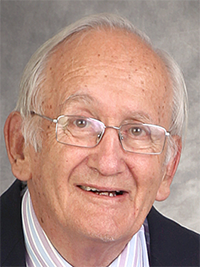
Hendrik Daniel Nelson was born on 2nd December 1937 in Kimberley. He finished his primary school education in Boetsap, a small settlement in the Northern Cape, and was then sent to High School Diamantveld in Kimberley where he matriculated in 1954.
He completed at the Potchefstroom University the degrees BSc (1957), BScHons Chemistry (1958) and MSc Chemistry (1959). He was appointed lecturer in the Department of Chemistry in 1960.
In 1962 he married Marietjie Gauché, whom he had known since 1951 when they attended the same school. The couple had four children: 3 daughters, and a son who was born in Utrecht in the Netherlands. Sadly their son, Frikkie, who was a great athlete (he finished the Comrades 20 times) recently passed away very suddenly when he was only 56.
Niel and his family left for the Netherlands at the end of 1964, where he completed at Rijks University, Utrecht a PhD dissertation titled “Some applications of gas chromatography in non-organic chemistry”. He was promoted to Senior Lecturer towards the end of 1967, and subsequently to Associate Professor, in the Department of Chemistry. He introduced gas chromatography as part of the BScHons course while teaching analytical chemistry at all levels. He retired from his position in the Department of Chemistry in 1994 and was then appointed as a first Administrative Manager of the Faculty of Natural Sciences until the end of 1999.
Apart from his work at the university he took an active role in the activities of the South African Chemical Institute, where he served for many years in the Committee of the Southern Transvaal Section, among others as Chairperson in the period 1996-1998. He was also fond of working with the youth for many years in a local Dutch Reformed Congregation.
IN MEMORIAM JOHN BRADLEY (1937-2022)
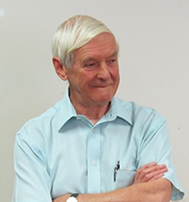
By Marissa Rollnick and Elizabeth Mavhunga
Professor John Bradley joined the Wits School of Chemistry in 1964 after completing his studies at the University of Leeds and the University of London (King's College) and his postdoctoral fellowship at Florida State University. He worked his way up the ranks and became a full professor. He spent 58 fruitful years at Wits in several capacities, all with the central theme of Chemical Education.
Early Period: Wits School of Chemistry, 1964 – 1990:
He began as a pure chemist, but through his contact with other colleagues who were concerned about the lack of conceptual learning in undergraduate courses, he began to explore better ways of teaching chemistry. He was actively involved in curriculum development in both lecture and laboratory classes across the undergraduate spectrum (1st year general chemistry and 2nd- 4th year organic chemistry as well as 4th year science education. According to Gus Gerrans, in 1986 he introduced SGTs (Small Group Tutorials) in 1st year chemistry courses as part of what was called TLLM (Teaching Less and Learning More).
He was the driving force behind the creation of the Science Education Committee in the Faculty of Science together with notable academics in other disciplines and created Honours options in Science Education, offered primarily to teachers and teacher educators. This was followed by the creation of a Master’s degree in Science Education. His concern about the poor throughput rate in the Faculty of Science led to the establishment in the late 1980s of a two-year bridging programme leading to second year BSc. This later evolved into the College of Science (a fully-fledged extended curriculum programme at Wits which ran from 1990-2004).
His mentoring approach to chemical education started with his colleagues, exemplified by the reflections of Dr Margie White, a former tutor (1981 – 2006) who reflected, “My approach to teaching changed drastically in that time…. input from John turned my understanding of chemical concepts and the teaching of them, upside down - start with the small (the microscopic) and then understand the large (macroscopic)”.
During this period, he was president of SACI (1988-1990), education officer of SACI (1992-2015) and Chairman of IUPAC committee for the teaching of chemistry.
RADMASTE (Research and Development in Mathematics, Science and Technology Education): 1990 - 2014
As his interest in Chemical Education grew, John felt the need for making a wider impact on the teaching and learning of chemistry in South Africa and later beyond. Together with colleagues in physics and mathematics, he established RADMASTE, an organisation that worked to improve the teaching of both teachers and teacher educators and began the work that led to international recognition – the development of microscale chemistry kits and accompanying materials, culminating in a NSTF award in 1998, an award from International Organization for Chemical Sciences in Development, and finally an international microscale chemistry award.
A fellow microscale developer in the UK, Bob Worley reflects, “A giant in the microscale world has passed on. I was determined at the time in 1991, … not to lose the well-known school experiment - the reduction of copper oxide by hydrogen. I found one (safe) method ….. (developed) by John, … which I adapted for use with equipment found in our school labs”.
An article by Beverley Bell, formerly of RADMASTE, provides evidence of Important work with Chemistry teachers in Africa (50 sites in 28 Countries), South and Central America and the Caribbean (7 countries), Europe and Eurasia (24 countries), Asia (10 countries), Indian Ocean Islands (4).
A former RADMASTE colleague and now lecturer in the Wits School of Education, Dr Mpunki Nakedi reflects, “to me John was not just a teacher, a leader or a colleague, but was like a father I feel I did not honour enough, and I am immensely grateful for that profound undeserved connection”.
Throughout his career, John found time to supervise postgraduate Students, amongst them, Professor Nthabiseng Ogude (PhD 1991), Professor Elizabeth Mavhunga (Masters with distinction in 1997), Dr Betty Dlamini (PhD 2000), Dr Sabelo Manyatsi (PhD 1997) and Dr Margie White (PhD 1997).
Dr Betty Dlamini reflected, “He will indeed be remembered for his sharp observations and his gentle comments while guiding the theses writing. You just never forget his insights to your ideas as a student”.
“Retirement”
John never really retired. RADMASTE moved to the Wits Education Campus in 2009, he taught chemistry courses for the honours programme in Science Education on an honorary basis from 2002 – 2018. Marissa Rollnick reflects, “I began to co-teach the course with him and gained a new insight into chemistry ideas, some so new that to understand his approach, I found it necessary to video record his classes, as what he was sharing was unavailable in any literature. In later years he began to provide “notes” which provided insight into his thinking on key topics such as ‘acids and bases’ and ‘atomic structure and bonding’”.
Peter Moodie, with a physics background, relearnt most of his chemistry from John and was struck by John’s ability to take a reader straight to key principles, often lost in textbooks. He writes, “I was relieved after struggling with bonding theory rules, to be reminded that bonding is simply electrostatic attraction between atoms. The physics was so obvious when he pointed out that big idea. But I wondered how many students do get lost in the labyrinth of chemical theory in various topics. John argued that these are mostly taught separately with no Big Ideas offered to create a whole picture.”
John Bradley made an invaluable contribution to future science teachers, teaching final year students chemistry up to November 2022. As Professor Elizabeth Mavhunga put it, “he persistently challenged us to think big, think contemporary and never be complacent about our teaching offerings”, a stimulus for her initiative to review the 4 years of the B.Ed., which she began in 2021in collaboration with Dr Emmanuel Mushayikwa. According to Peter Moodie, John submitted a paper to IUPAC just before he went on leave in December 2022. In this paper he elucidated much of his thinking about the future direction of initial teacher education in the context of climate change and social change.
Acknowledgements:
Dr Margie White (ex-Wits), Dr Batseba Mofolo-Mbokane (Wits), Prof Paddy Lynch (Tasmania), Mina and Prof Ben Staskun (ex-Wits, Australia), Prof Gus Gerrans (ex- Wits, USA), Prof Jorge Ibanez (Mexico City), Bob Worley (CLEAPSS, UK), Marietjie Potgieter (UP), Prof Supawan Tantayanon (Thailand), Prof Leslie Glasser (Ex- Wits, Australia), Dr Betty Dlamini (Eswatini), Dr Mpunki Nakedi (Wits), Beverley Bell (ex-RADMASTE), Dr Solomon Akinyemi (Wits), Dr Sinegugu Khulu (Wits) and Dr Belinda van der Westhuizen (Wits), Peter Moodie (Wits).
Obituary: Dr Rehana Malgas-Enus 1983-2022
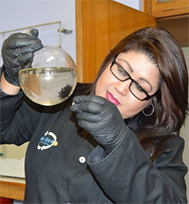
It was with great sadness that on Tuesday, 20 September 2022, we learned of the sudden passing of Rehana Malgas-Enus at the mere age of 39 years. Rehana passed away while she was on sabbatical in Germany, visiting the Technical University of Dresden. Earlier in the year she was awarded the prestigious Eleonore Trefftz Fellowship, which allowed her to spend some time in the Department of Inorganic Molecular Chemistry at TU Dresden. She was visiting the lab of Prof . Jan Weigand and together the two of them were looking forward to further consolidating the collaboration which they had initiated earlier in the year. The news of her passing was like a bolt out of the blue and for many of us it has been extremely tough to come to grips with it. What a tragedy that someone with so much potential had her life snatched away so prematurely.
Rehana was born in Mitchells Plain on the Cape Flats. She and her sister were raised by a single mother since her father died when Rehana was still very young. Growing up in Beacon Valley, one of the most impoverished areas of Mitchells Plain, she was from an early age, surrounded by the typical social hardships that prevail in such working-class townships across the Cape Flats. The scourge of drug-abuse, gangsterism and other social ills was a daily reality but with guidance of a determined and caring mother, she focused on her studies as she realized that this was a way of escaping from this dire situation. She completed her high school education at Zeekoevlei Secondary School, a public school located in the nearby suburb of Grassy Park.
After successfully completing Grade 12, Rehana embarked on a B.Sc. degree at the University of the Western Cape in 2002. The following year was the first time I encountered her, as she enrolled for the second-year Inorganic Chemistry course I was lecturing at the time. Almost from day one, It was clear to me that we were dealing with someone remarkable. As everyone who knew her, Rehana was an extremely extroverted, highly self-confident person and it was inevitable that soon she would become known to almost everyone in our department, and this included both staff and students.
After completing her undergraduate and Hons. degree, she In 2005, enrolled for a M.Sc. degree at UWC, under my supervision. Shortly after Rehana became a member of our group, we joined several other research groups at other South African Universities to become part of the virtual Centre of Excellence in Catalysis, known as c*change. As a result of being a , c*change student and attending CATSA conferences, she became well-known not only amongst people in catalysis but also to the broader chemistry community. Later as a fully-fledge academic, she was involved in the activities of both CATSA and SACI. At the time of her passing, she was a member of the CATSA committee as well as the SACI-Western Cape executive. Earlier this year she was elected as treasurer of SACI-Western Cape. She also held a similar position on the council of the Royal Society of South Africa. Given her passion and the dedication with which she approached any task, her contributions to these organizations will be sorely missed.
In 2008, Rehana was part of a small group of students from UWC who joined me when I took up a position at Stellenbosch University. Being the most senior student in the group, she was central in helping me setup my new lab at SU. Her legendary organizing skills made the transition from UWC to SU so much easier. She was my first Ph.D. graduate at Stellenbosch University. She completed her Ph.D. in 2011, after which she took up a post-doc position at the University of Johannesburg in the group of Reinout Meijboom.
She returned to Stellenbosch University in 2013 to take up a full-time lecturing position in the Department of Chemistry and Polymer Science. It was not long after being appointed at SU, that she really came into her own. Although her long-time dream of becoming an academic had been fulfilled, she did not leave it at that. She immediately set about becoming a good all-round academic. She tackled all tasks given to her with great enthusiasm, dedication, and lots of passion. She would never squirm away from any task given to her, no matter how challenging it might appear. Rehana had a passion for teaching and loved interacting with students, especially undergraduate students. She became a valuable member of the first-year teaching team, especially, when she volunteered to teach a first-year module in Afrikaans even though she had never lectured in Afrikaans before. She tackled this with great passion and her dedication was recognized, when recently she was nominated by the best first year student as the lecturer who had the greatest impact on her.
Soon after her appointment in 2013, she embarked on an independent research career. This initially was difficult, as access to required resources were limited but because of her resilient nature, she slowly found her feet and once she started to secure her own research funding, she was able to gradually establish a small research group in the area of nanotechnology. This has steadily grown over recent years and at the time of her passing, her group had reached a real critical mass in terms of group size and experience. In the last couple of years, she managed to graduate several post graduate students at both the Masters and Ph.D. level. This has led to some substantial improvement in her research outputs. Just before her passing she was working quite hard in finalizing several manuscripts for publication, with a couple of these being under review at the time of her passing.
In addition to performing her main academic duties in a highly efficient manner, Rehana was also extremely passionate about community outreach activities. In conjunction with the late Klaus Koch, she co-founded SUNCOI, which is the flagship of the community interaction activities of the Department of Chemistry and Polymer Science at Stellenbosch University. This was probably the area in which she excelled the most. She was undoubtedly the main driving force behind this, overseeing the rapid growth of the programme in a very-short period of time. Rehana worked tirelessly to build strong relationships with important role players in the basic education sector. This included the Western Cape Education Department, as well as donors such “Die Stigting vir Bemagting deur Afrikaans”. The success of SUNCOI, has led to the establishment of similar initiatives at the University of Pretoria and Nelson Mandela University with Rehana assisting colleagues at these institutions to launch their own versions of SUNCOI. Just before her passing, she spent the previous weekend at NMU coordinating a workshop for grade 12 learners. By all accounts, this was as usual an overwhelming success. Since her passing, several messages of condolences have poured in from teachers, students and administrators who had participated in SUNCOI workshops over the years, all expressing their disbelieve at her untimely death.
Rehana, in her short life, impacted on the lives of many people who came into contact with her. This is especially true of the many students who passed through her hands. She felt particularly strongly about individuals from disadvantaged backgrounds and went out of her way to assist such individuals often at great personal sacrifice. She was a true champion for the marginalized, always standing up for everyone, irrespective of their background. She always pushed for everyone to be given a fair chance to succeed. Although she was often portrayed as being a tough person, she essentially was a kind-hearted and deeply caring individual. She will surely be missed, and her absence will be felt on several fronts.
May her soul rest in peace.
Selwyn Mapolie, Department of Chemistry and Polymer Science, Stellenbosch University
Obituary: Janet Scott
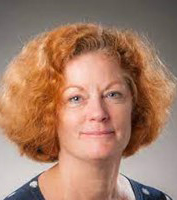
Janet Scott (April 1964 – 23 January 2022) was a South African chemist who was Professor of Sustainable Chemistry at the University of Bath. She also worked as the Director of the Engineering and Physical Sciences Research Council Centre for Doctoral Training in Sustainable Chemical Technologies. She studied Chemistry and Applied Chemistry at the University of Natal in Durban. She moved to the University of Cape Town as a graduate student, where she earned a master's degree and a doctorate. Her doctoral research considered cholic acid and methyl cholate. Janet joined the faculty at the University of Cape Town in 1992, where she worked until completing her doctorate in 1995. She joined the Fine Chemicals Corporation in South Africa in 1996. She moved to Monash University in 2000, where she worked as deputy director of the Australian Research Council Centre for Green Chemistry. In 2006 she was appointed a Senior Marie Curie Fellow at Unilever. In 2010, Janet joined the Department of Chemistry at the University of Bath. Her research considered renewable raw materials for the development of sustainable products. In 2011, she developed a biodegradable microbead that could be used to replace dangerous plastic microbeads. She was particularly interested in making microbeads from cellulose, an abundant natural material that does not derive from fossil fuels. For several years she developed a reliable, scalable strategy to generate cellulose microbeads. She was made Reader in Sustainable Chemistry in 2016 and a Professor two years later. Scott launched Naturbeads, a spin off company for cellulose microbead generation, in 2018. Naturbeads was supported by Innovate UK and Sky Ocean Ventures. She had edited two books with former SACI President, Trevor Letcher, and in 2014 was a keynote speaker at the 5th International IUPAC Conference on Green Chemistry held in Durban, in August 2014, where she presented a talk entitled: “Cellulose based sustainable materials for diverse applications in energy storage devices, electronics and fast-moving consumer goods”.
With acknowledgement to Wikipedia
The University is saddened to announce the death of Professor Janet Scott
The University is saddened to announce the death of Professor Janet Scott. Professor Scott joined the Department of Chemistry in 2010, initially as a Group Leader and training director within the Centre for Sustainable Chemical Technologies, then from 2016 as a Reader in Sustainable Chemistry, with promotion to Professor following in 2018.
During her time at Bath, Janet had a strong portfolio of research grants from industry, EPSRC, Innovate UK and EU. She had a very strong international research profile in the area of sustainable chemical technologies and she was instrumental in developing the University’s Integrated PhD in Sustainable Chemical Technologies as well as the joint PhD programme with Monash University in Australia, where she had previously been a senior lecturer.
Professor Scott was originally from South Africa and received her PhD from the University of Cape Town. She worked in academia and industry during her career in South Africa, Australia and the UK.
This background was a strength when it came to designing research projects and bringing together colleagues from diverse fields to collaborate on solving problems and addressing challenges.
Her primary research interest was in the use of renewable raw materials in developing useful products. This helped lead to the creation of Naturbeads, a start-up company formed in 2018 with her colleagues Davide Mattia and Giovanna Laudiso, to develop biodegradable microbeads to replace plastic ones in a wide range of consumer goods.
Janet left the University in the summer 2020 due to ill health. Senate conferred the status of Professor Emeritus on her when she left the University.
Professor Andrew Burrows, Head of the Department of Chemistry, said: “Janet was a great person to have in the department. She was incredibly effective in both her work with the CDT and as a professor, and was someone who would just get things done. She took no nonsense from staff or students and had a knack of asking perceptive questions, seeing to the heart of an issue.”
Professor Davide Mattia said: "I started working with Janet about 10 years ago and I was immediately struck by her encyclopaedic knowledge of chemistry and sustainability. As we became friends, I discovered this extended into plants, food, travel, books, walks...pretty much everything!
“Janet has provided a fundamental contribution to the University becoming a world-leading centre in sustainable technologies and she has made a positive difference in the life of many students, colleagues and friends around the world. She will be very much missed."
Professor Matthew Davidson said: “Janet was the most wonderful colleague, collaborator and friend. Her influence on the development of sustainable chemical technologies at Bath has been profound. Whether it was writing a grant proposal in the early hours, meeting with CDT students or sharing a good meal, her enthusiasm and dynamism cut through and we always had fun. She cared passionately about people, science and natural justice - a combination that touched the lives of so many colleagues, students and collaborators. We will all miss her deeply and remember her fondly.”
With acknowledgement to the University of Bath Communications
Obituary: Tim Egan
Dear SACI members
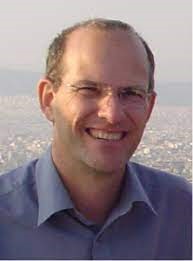
We have just received the sad news that after a battle with cancer, Prof. Tim Egan (from UCT) has passed away over the weekend.
Tim’s passing will leave a big hole in the international and broader South African chemistry community, and his loss will be felt within the Western Cape and Inorganic chemistry communities. Tim was a stalwart in the SACI community too – for example, he received the SACI Gold Medal in 2016 and was elected as a SACI Fellow in 2019.
Our thoughts are with Tim’s wife, Joanne, his family and his UCT colleagues during this very difficult time.
On behalf of SACI EXCO,
Prof. Willem A.L. van Otterlo (SACI-President)
In remembrance Professor Timothy Egan 6 May 2022
It is with a great deal of sadness that we convey the news of the passing of our colleague, Professor Timothy Egan (60), on Sunday, 1 May 2022.
Professor Egan started his academic career in the Department of Chemistry at the University of Cape Town (UCT) in 1996. He obtained his PhD from the University of the Witwatersrand in 1988, with subsequent post-doctoral and research associate positions in the Department of Physiology and Biophysics, Albert Einstein College of Medicine, New York, USA and the Department of Chemical Pathology, Institute of Child Health and the Red Cross War Memorial Children’s Hospital.
He had a distinguished academic career at UCT, rising to the rank of Professor and Chair in Inorganic Chemistry. This year, he was awarded an A-rating by the National Research Foundation (NRF).
He was an excellent teacher and was recognised with the university’s Distinguished Teachers Award. He was an outstanding researcher, with his national and international standing as a leader in his field widely acknowledged. He was, inter alia, a Fellow of UCT and of the South African Chemical Institute (SACI), a recipient of the SACI Gold Medal, and a fellow of the Japan Society for the Promotion of Science.
He had over the years at UCT established and maintained a research group devoted to the broader cause of combatting the scourge of malaria, and more specifically to improving the understanding of hemozoin formation in malarial parasites, and confirming the fact that hemozoin remains a very important target of anti-malarial drug design, and the mechanism of action of such drugs.
He will be remembered by his colleagues and students as a principled, compassionate man as well as a clear thinker with a meticulously rational approach to everything he did – including his teaching, research and his service and leadership roles in the university and the broader community of chemists in South Africa. He believed in the power and integrity of science, and indeed lived his life by its principles and applied these to problems and challenges beyond the bounds of his professional interests.
He will also be remembered as a loyal and gentle friend, someone who always had time to sit and talk and listen to colleagues, work associates, students or anyone, whether it was to simply talk about interesting ideas or to deal with a grievance or to impart advice or wisdom.
Professor Egan is survived by his wife, Joanne.
His funeral is still in the planning stages and further details will be provided on the UCT Department of Chemistry website in due course.
The university is in contact with the Egan family and has reached out to offer support during this time of grief. We convey our heartfelt condolences to the family, friends and all who knew Professor Egan.
Sincerely
The UCT Executive
Dave Baldwin
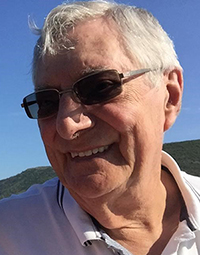
It was with great sadness that the chemical fraternity learned of the death on 5 January 2022 of David Arthur Baldwin at his home in George, aged 79.
Dave Baldwin was an inorganic chemist, having graduated with BScHonours (1964) and PhD (1967) at the University of Manchester in England. He spent two postdoctoral periods, 1967-1969 at the University of Washington, USA, and 1969-1970 at University College, London. His first appointment was as a lecturer at the University of the Witwatersrand. He and I joined Wits together in September 1970, having met on the Edinburgh Castle en route from Southampton to Cape Town. Our head of department, the late Felix Sebba, had alerted Dave to the fact that his family and mine would be travelling on the same voyage, so Dave was primed to look out for me. We were 24 hours into the voyage when we first met, and that was our first opportunity to raise a glass together. It was not the last.
Dave proceeded through the ranks at Wits, being promoted successively to senior lecturer and associate professor. He worked closely with the late John Pratt in the area of bioinorganic chemistry, and graduated a number of MSc and PhD students. Most notably, he was responsible for the start of the academic careers of Helder Marques and Tim Egan.
In 1986 Dave left academia and became programme manager of the Materials Science Division of the CSIR in Pretoria, where he remained until 1990. This experience prompted him to branch out into consultancy, initially with Waste-Tech (Pty.) Ltd. and later with Environmental and Chemical Consultants (En-Chem Consultants c.c.), specializing in the areas of waste management and environmental issues. He had been director of En-Chem Consultants since 1998.
Dave and Julia had always been partial to the Western Cape, and it was no surprise when, in 2005, they migrated to George, where they settled.
Dave was a most agreeable companion, and his many friends in chemistry will recall with pleasure his convivial presence at many social events.
He is survived by his wife, Julia, and sons Richard and Michael, to whom we extend our sincere condolences on their loss.
Tony Ford
Durban
24 January 2022
Nancy B. Jackson, former president of the American Chemical Society, dies at 65
The society’s first Native American president promoted chemical nonproliferation and supported marginalized chemists
by Alexandra A. Taylor
January 10, 2022
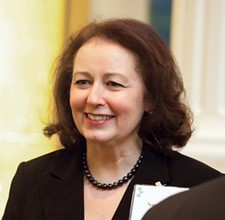
Nancy B. Jackson, former president of the American Chemical Society, died Jan. 3 at age 65 in Albuquerque, New Mexico. Jackson served as ACS president in 2011, declared by the United Nations to be the Year of Chemistry.
Jackson earned a BS in chemistry from George Washington University in 1979. After college, she worked in the ACS education division before leaving to pursue chemical engineering at the University of Texas at Austin. She earned an MS in 1986 and a PhD in 1990.
In 1991, she started a decades-long career at Sandia National Laboratories, first as an energy researcher, then as manager of the Chemical and Biological Sensing, Imaging, and Analysis Department, and later as deputy director of the International Security Center. She retired from Sandia in 2017 as a Distinguished Member of Technical Staff.
Jackson had Seneca heritage and served for 2 years as Sandia’s tribal government liaison. She worked with tribal colleges to expand their science programs and helped support marginalized students in science, technology, engineering, and math through the Science and Technology Alliance. In 2005, she received the American Indian Science & Engineering Society’s Professional of the Year Award.
Jackson was the founder and manager of the International Chemical Threat Reduction Department in Sandia’s Global Security Center. She worked with the US Department of State to establish the Chemical Security Engagement Program, aiming to reduce the threat of the misuse of chemicals by raising awareness of chemical safety internationally. In 2012, she received the AAAS Award for Science Diplomacy for her involvement in the program and for “developing, nurturing, and advancing careers of scientists worldwide, with a special emphasis on women scientists in the Middle East and Southeast Asia.” In 2014, Jackson was named a Franklin Fellow by the US Department of State.
During her time in the ACS presidential succession, Jackson worked to expand the society’s international collaborations and traveled extensively to meet with chemists and chemical engineers, in particular women.
“The firmament of chemistry has lost one of its brightest stars. As ACS president, Nancy focused on member needs wherever they were. She hugely increased ACS’s visibility and partnerships around the world,” says Madeleine Jacobs, former CEO of ACS. “She was a brilliant, vivacious, funny, and empathetic chemist. She will be greatly missed.”
Jackson is survived by her husband, James Miller, and her sons, Christopher Miller and Jackson Miller. Gifts can be made in Nancy Jackson’s name to the ACS Scholars Program at www.acs.org/donate.
Chemical & Engineering News
ISSN 0009-2347
Copyright © 2022 American Chemical Society
HANS HELMUT HAHN 25 FEBRUARY 1931 - 28 JUNE 2020
In Memoriam of an Extraordinary Life
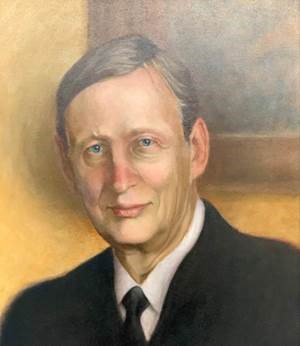
Dr Hans Helmut Hahn, or just Hans as he was to all of us at Hahn & Hahn, his friends and his clients was born in Germany in 1931 during the turbulent times of a depression, His father, WA Hahn, was born and educated in the United Kingdom and after World War I relocated to Germany where he became a Patent Agent and was transferred to the Hague in the Netherlands when Hans was 3 months old and grew up as a young child until the outbreak of World War II.
In 1948 the Hahn family left for South Africa to start a new future. Hans was 17 years old and for the first two years the family eked out a frugal existence and Hans helped out his father who was qualifying as a Patent Agent in South Africa wherever he could, doing patent drawings and searches at the patent office, and taking on translations and odd jobs to finance his studies. Hans then worked for the CSIR and completed his M.Sc where after he spent 1954 to mid 1957 overseas doing his doctorate in Karlsruhe, Germany.
In that time the firm of WA Hahn Patent Agent had grown and with his father’s health deteriorating Hans returned to South Africa and in 1960 passed his Patent Agents Examination and was registered early in 1961. The name of the firm was changed to Dr.W.A.Hahn and Dr.H.H.Hahn, later abbreviated to Hahn & Hahn where he was a partner until 2007 and an active consultant until his death. Hans was a doyenne of the Intellectual Property profession in South Africa and until recent years was a fixture on many committees and attended IP conferences in South Africa and around the world and was well known amongst his peers.
In addition to having a doctorate in Chemical Engineering and being a Patent Agent Hans was a polyglot and a sworn translator between English, Dutch, German, French and Afrikaans.
On a personal level, Hans was an avid art collector and the walls of Hahn & Hahn are adorned with art works acquired by Hans over the decades and will remain a reminder of him.
Hans also appreciated the great outdoors and founded the Morning Sun Nature Reserve and Mashovhela Lodge which he frequently visited and invested in the local community.
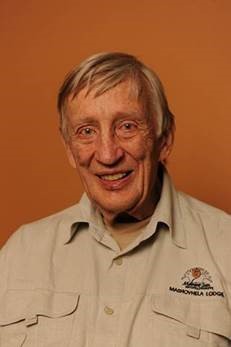
Hans was much loved by all at the firm and will be missed by all. Rest in Peace Hans Helmut Hahn.
Dr Jaap Bruijn
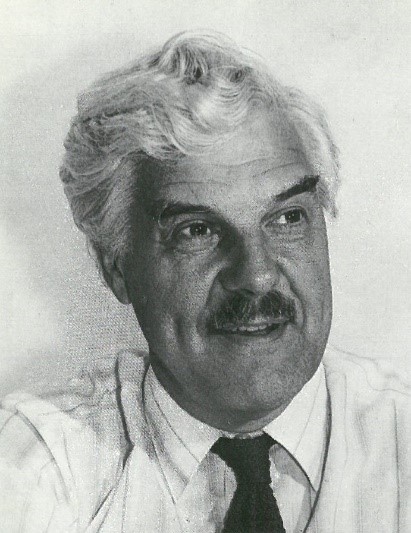
The South African sugar industry recently learnt of the passing of Dr Jaap Bruijn in France on 29 June. ظ╤ق╜،ع╣ق╜ق╜¤Dr Bruijn was well known to the industry in the 1960s, 1970s and 1980s, being an active researcher at the Sugar Milling Research Institute (SMRI) and later Director, and familiar to sugar technologists through his contributions in multiple areas of sugar technology.
Jaap Bruijn started at the SMRI on 12 December 1957 as a microbiologist (although a chemical engineer by training) under the first SMRI Director, Dr Kees Douwes Dekker, and subsequently worked under directors Dr Milo Matic and then Dr Bernard Ravnظ╤ق╜عéق╛ق╛, under who he served as Deputy Director. After Dr Ravnظ╤ق╜عéق╛ق╛ resigned to move to the industry, Dr Bruijn was appointed as Director on 1 November 1986, a position that he held until his retirement on 31 December 1987, when he was succeeded by Dr Brian Purchase. During his time at the SMRI, he was awarded a PhD for his study “Changes in the chemical composition of sugar cane (Saccharum officinarum) during storage”, involving the characterisation of gums and polysaccharides in sugarcane, still an active research topic at the SMRI.
While at the SMRI, Jaap applied his active mind to a wide range of topics covering all aspects of the sugar industry and was the proverbial master of most trades. As well as being a good engineer, he had an excellent knowledge of science and was very practically minded, being able to manufacture all kinds of equipment and devices, as is evident from some of his achievements listed below. At the SMRI there was a saying: "When in doubt ask Jaap". It was a tribute to a person who was always willing to humbly share his vast knowledge.
His research projects and consulting work to the factories over the years ranged very widely. A quick search of the 56 technical reports he wrote while at the SMRI illustrated how broad his interests were in the field of sugar manufacture, including the composition of the cane plant, cane deterioration and the discovery of sarkaran in cane, bagasse storage, starch hydrolysis, chemical analysis techniques, molasses exhaustion, refinery operations, the caking behaviour of refined sugar and effluent treatment.
He was intimately involved with the pioneering work at the Union Co-op mill leading to the development of the diffusion process in the South African industry. He and a team from the SMRI ran some sugarcane through the Union Co-op wattle extraction plant to see if they could make sugar. Based on the success of this project, Union Co-op proceeded to erect a sugar mill alongside their wattle processing plant to start making sugar.
Jaap is also remembered for manufacturing gas chromatography (GC) columns in the SMRI workshop at a time when GC for sugar analysis was in its infancy. The cost of purchasing proprietary columns from the chemical instrument companies was very high, so Jaap designed a small electrically heated furnace through which he could slowly draw a length of glass tubing (using a small geared motor) so that it would be softened as it passed through the furnace and was then drawn to a fine capillary and wound onto a cylindrical former to cool. In this way he could pack many metres of capillary column into a fairly small package. He and the resident GC fundi (Kevin Schظ╤ق╜¤ffler) worked out how to pack the columns with the necessary components to enable GC analysis of sugars in the 70s and 80s. This ultimately led to the South African industry moving from a pol-based to a sucrose-based cane payment system in the 1981 season.
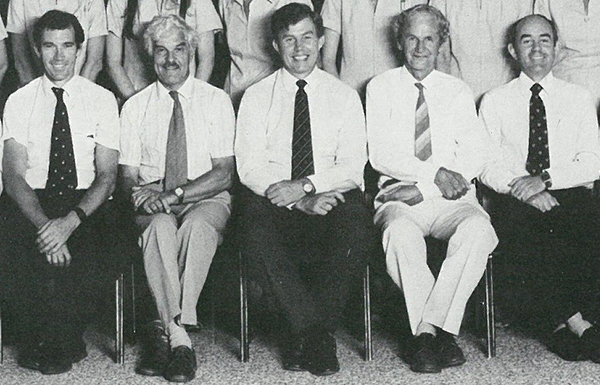
Portion of SMRI staff photo from February 1985, showing, from left to right, Kevin Schظ╤ق╜¤ffler, Dr Jaap Bruijn, Dr Bernard Ravnظ╤ق╜عéق╛ق╛, Neville Allan and Dr Brian Purchase
In about 1981 he took Dr Purchase on a consulting visit to the effluent plant at Umfolozi, and then asked if he would take over his role in the area of research and consulting on factory effluents, such as the use of trickling filters for sugar effluents. His initiation and encouragement enabled Dr Purchase to fill that role for almost 40 years (he still lectures on the subject for SMRI courses).
Dr Bruijn authored or co-authored ten papers at the annual congress of the South African Sugar Technologists’ Association (SASTA) and was awarded the SASTA Talbot Crosbie factory prize (for the best paper in the Factory Section of Congress) in 1968 for his work on Enzymatic Hydrolysis of Starch, which was co-authored by RP Jennings of Tongaat Hulett.
Dr Ravnظ╤ق╜عéق╛ق╛ recalls that Jaap was also a very accomplished carpenter and clock maker and he won a National Award for building a 13th or 14th century clock using only wood and twine ع╣ظق╛╝éع╣ظق╛╝éô even the gears were wooden and the twine was for a rotating pendulum. The clock sat in his lounge and it worked, but the “pendulum” needed to be “re-spun” several times a day. Dr Purchase recalls that visits to Jaap's home were always a joy, with warm hospitality from the whole family and inevitably some fun and games. Tsoelbak (Dutch shuffleboard) was a game that he particularly enjoyed. His home workshop was enviable and was the source of much of his furniture and games.
Although originally from Holland, Dr Bruijn retired to a chateau in the south of France with his wife Stannie, who passed away in August 2019. Our sincere condolences to his family.
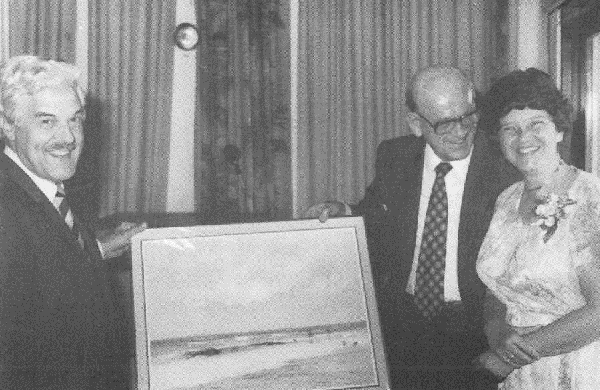
Dr Jaap Bruijn (left) with his wife, Mrs Stannie Bruijn, and SMRI Board Chairman, Dr Cees van der Pol (centre), in December 1982
Dr Jaap Bruijn passed away on the 28 June 2020.
Compiled by Steve Davis, with acknowledgements to Drs Bernard Ravnظ╤ق╜عéق╛ق╛ and Brian Purchase for providing some of the interesting information and anecdotes. ظ╤ق╜،ع╣ق╜ق╜¤2 July 2020.
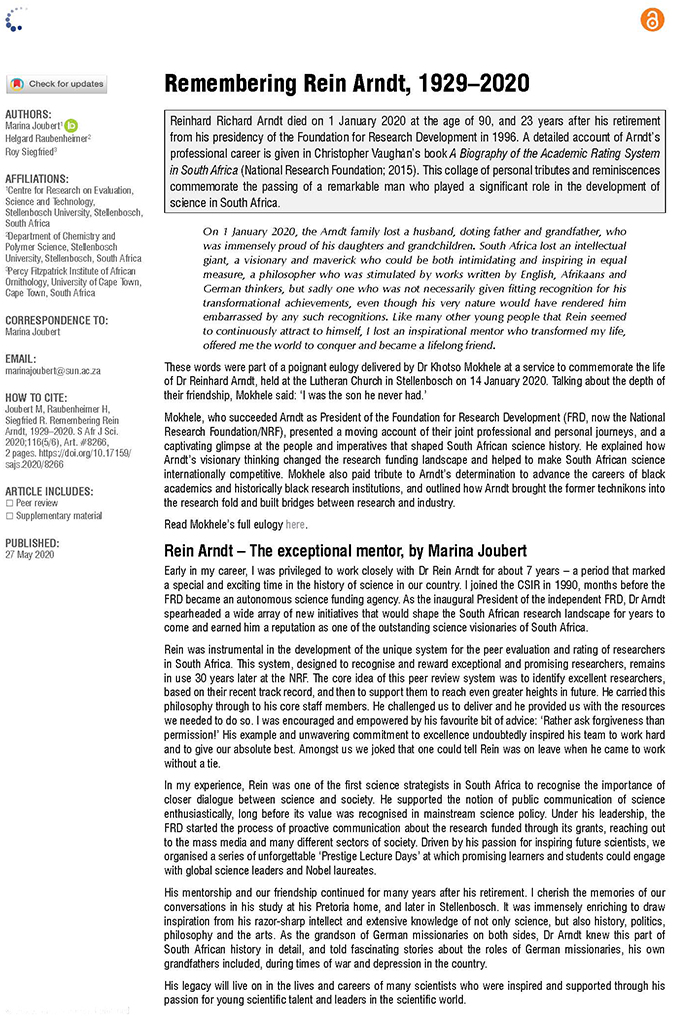
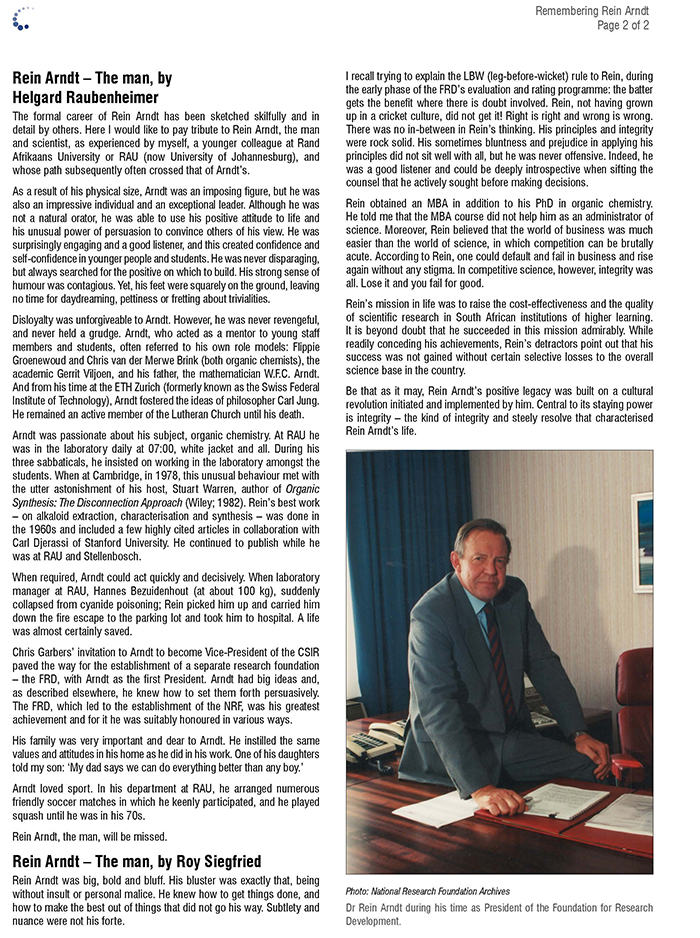
Professor Arndt served as SACI President from 1980-1981 and was a recipient of the Hendrik van Eck Medal of the Institute in 1996
Emeritus Professor Michael Ewart Brown, FRSSAf
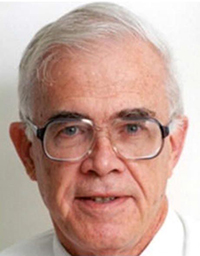
(12 July 1938ع╣ظق╛╝éع╣ظق╛╝éô31 May 2019)
The South African and international chemistry community, together with Rhodes University and the Royal Society of South Africa, mourns the passing of RSSAf Fellow and Emeritus Professor Michael (Mike) Brown, in Grahamstown on 31 May 2019 after a long illness. Mike Brown was born in 1938 in Johannesburg and matriculated from Highlands North Boys’ High School. His first degree, a BSc, was awarded by the University of the Witwatersrand. He was appointed to Rhodes University as a junior lecturer in 1962, completing his PhD degree in 1966. The newly graduated Dr Mike Brown completed a short stint as a Research Officer at the SA Chamber of Mines Research Laboratories in Johannesburg before returning to Rhodes University as a Lecturer in Chemistry in 1967. The Department of Chemistry at Rhodes University was to become his academic home for 36 years until his formal retirement in 2003. It was from here that he launched his long and distinguished academic career.
The South African and international chemistry community, together with Rhodes University and the Royal Society of South Africa, mourns the passing of RSSAf Fellow and Emeritus Professor Michael (Mike) Brown, in Grahamstown on 31 May 2019 after a long illness.
Mike Brown was born in 1938 in Johannesburg and matriculated from Highlands North Boys' High School. His first degree, a BSc, was awarded by the University of the Witwatersrand. He was appointed to Rhodes University as a junior lecturer in 1962, completing his PhD degree in 1966. The newly graduated Dr Mike Brown completed a short stint as a Research Officer at the SA Chamber of Mines Research Laboratories in Johannesburg before returning to Rhodes University as a Lecturer in Chemistry in 1967. The Department of Chemistry at Rhodes University was to become his academic home for 36 years until his formal retirement in 2003. It was from here that he launched his long and distinguished academic career.
Emeritus Professor Mike Brown was recognised as South Africa’s foremost researcher, and a South African pioneer, in the field of thermal analysis. He was the recipient of the Mettler/North American Thermal Analysis Society International Award for Distinguished Contribution to Thermal Analysis (1996), the Rhodes University Vice-Chancellor's Distinguished Senior Research Award (1998) and the South African Chemical Institute's Gold Medal (2000). He was a Visiting Research Fellow at Queen's University in Belfast (1971), at the Cavendish Laboratory of the University of Cambridge (1980) and at ICI Explosives in Scotland (1989). Mike Brown was also the first Rhodes University academic to be awarded an A rating by the South African National Research Foundation. A tribute from one of his former colleagues at Rhodes University, published in a recent scholarly history of the university, recognised Emeritus Professor Mike Brown as one of a small group of Rhodes researchers who decades ago defined and guided the upward research trajectory of both the Department of Chemistry and the university.
In 1998 he was elected a Fellow of the Royal Society of South Africa, and in 2002 he became the first South African to be elected a Fellow of the North American Thermal Analysis Society (NATAS). Mike Brown shared a close friendship and productive 35-year collaboration with Dr Andrew Galwey, FRSSAf, of Queens University in Belfast. This collaboration, which began in 1971 when Mike Brown spent his first sabbatical at Queens University, ultimately yielded some 30 publications, many coauthored with postgraduate students, with a further eight publications in conference proceedings and two books. To mark this productive collaboration, a special issue of the international chemistry journal Thermochimica Acta was published in their honour in 2002 (Vol. 388, Issue 1ع╣ظق╛╝éع╣ظق╛╝éô2).
Formal retirement in 2003 proved to be but a milestone and not the end of an academic road at his alma mater. Emeritus Professor Mike Brown, in addition to continuing his thermal analysis research collaborations, remained a highly valued mentor and a distinguished senior colleague at Rhodes University during his retirement years. In 2006 he submitted a compilation of research papers, from his life’s work in thermal analysis, for the award of a DSc degree from Rhodes University, upon which the examiners “unanimously heaped praise”1.
Further post-retirement recognition from Rhodes University followed in the form of a Distinguished Old Rhodian Award, and for his scholarly and distinguished achievements after his formal retirement he was made a Distinguished Fellow of Rhodes University. The latter award is an honour rarely afforded retired academics at the university. Finally, the International Confederation of Thermal Analysis and Calorimetry (ICTAC) fittingly bestowed on him a lifetime honorary membership, in August 2018 in Brasov, Romania, shortly after his 80th birthday, in formal recognition of his contribution to the field of thermal analysis over half a century.
Emeritus Professor Mike Brown is survived by his wife Cindy, daughter Linda, grandson Brandon, son Richard, daughter-in-law Spela, and extended family. He is fondly remembered by his friends and colleagues at Rhodes University and around the world, together with generations of students who passed through his classes and research laboratory, for his wry sense of humour, his grace in difficult circumstances and his deep commitment to scholarly excellence, and, on a personal level, as an inspirational teacher and researcher and a wise, loyal and generous mentor and friend. He is sorely missed.
With acknowledgement to: Michael Davies-Coleman Transactions of the Royal Society of South Africa, Volume 74 Number 3, 2019, p. 306
Klaus Koch
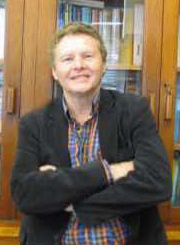
The new decade unfortunately started off on a rather sad note for the South African Chemistry community with the news of the passing of Emeritus Professor Klaus Koch from Stellenbosch University on 2 January 2020.ظ╤ق╜،ع╣ق╜ق╜¤ Klaus had been battling cancer for just over a year and although many of us were aware of his situation, the news that he finally lost the battle, still came as a shock to most of us.ظ╤ق╜،ع╣ق╜ق╜¤ For some of us it has not really sunk in that we have lost a long standing colleague.
Born in 1953 in Windhoek, in the then South West Africa, Klaus completed his schooling at one of Namibia’s top schools, viz. St. Paul’s College in Windhoek, where he matriculated in 1972.ظ╤ق╜،ع╣ق╜ق╜¤ Following this he was reluctantly conscripted into the South African defence force to complete a year of compulsory military service.ظ╤ق╜،ع╣ق╜ق╜¤ Subsequent to this, he enrolled at the University of Cape Town for a B.Sc. degree majoring in Physics and Chemistry, which he obtained cum laude.ظ╤ق╜،ع╣ق╜ق╜¤ This was followed firstly by an Honours degree in chemistry and then a Ph.D. degree under the supervision of Dr Victor Fazakerly, who introduced him to advanced NMR spectroscopy.ظ╤ق╜،ع╣ق╜ق╜¤ Shortly after obtaining his Ph.D., Klaus was appointed as member of the academic staff of the then Department of Analytical Chemistry at the University of Cape Town.ظ╤ق╜،ع╣ق╜ق╜¤ Klaus rapidly proceeded through the academic ranks at UCT and reached the level of Associate Professor in 1989.ظ╤ق╜،ع╣ق╜ق╜¤ After a long career at UCT, he moved to Stellenbosch University, where took up the chair in Analytical Chemistry in 2002.ظ╤ق╜،ع╣ق╜ق╜¤ It was really at Stellenbosch University, that Klaus came into his own as an academic.ظ╤ق╜،ع╣ق╜ق╜¤ He established a thriving research group, working on platinum group metal chemistry with a strong emphasis on the use of modern NMR techniques with the aim of understanding the coordination behaviour of these metals.ظ╤ق╜،ع╣ق╜ق╜¤ It is during this time that he really emerged as a world-renowned researcher in PGM chemistry and multinuclear NMR spectroscopy.ظ╤ق╜،ع╣ق╜ق╜¤ A testament to this are the frequent invitations he received to present his work at some of the most prestigious international conferences in the field.ظ╤ق╜،ع╣ق╜ق╜¤ A consequence of this was he was able to establish a wide network of international collaborators across different parts of the world, many of whom became lifelong friends.ظ╤ق╜،ع╣ق╜ق╜¤ His reputation as a respected coordination chemist was recognized also by the wider community and resulted in him being invited to serve as a member of the highly influential advisory committee of the International Conference on Coordination Chemistry (ICCC).ظ╤ق╜،ع╣ق╜ق╜¤ He served on this committee for over two decades, making valuable contributions to ensure that this conference series is today regarded as the premier event for researchers in the field of coordination chemistry.ظ╤ق╜،ع╣ق╜ق╜¤ In 2006 he was entrusted by the ICCC committee to chair the 37th version of the biennial conference which was held in Cape Town, South Africa.ظ╤ق╜،ع╣ق╜ق╜¤ This was the first and thus far the only time that this conference was hosted on the African continent.ظ╤ق╜،ع╣ق╜ق╜¤ Under Klaus’s guidance, it ended up being an overwhelming success.
As alluded to earlier, Klaus Koch was a very productive researcher.ظ╤ق╜،ع╣ق╜ق╜¤ At the time of his passing, he had more than 130 publications in peer-reviewed journals with these totaling over 3000 citations.ظ╤ق╜،ع╣ق╜ق╜¤ His research contributions have been recognized by several awards over his long career.ظ╤ق╜،ع╣ق╜ق╜¤ Included amongst these are the Heinrich Hertz Fellowship (Nordrhein-Westfalen, FRG), the Ernest Oppenheimer Memorial Trust Travel Fellowship and the Deutscher Akademischer Austauschdienst (DAAD) Fellowships to perform sabbatical work at the technical Universities of Munich and Leipzig, Germany.ظ╤ق╜،ع╣ق╜ق╜¤ He was elected as a Fellow of the Royal Society of South Africa in 2002 and a member of the South African Academy of Sciences in 2012.ظ╤ق╜،ع╣ق╜ق╜¤ In 2014 he became a Fellow of the South African Chemical Institute (SACI) and just before his passing, he was once again honoured by SACI when he became the recipient of the organization’s Gold Medal for 2019.
Over his long career he supervised or co-supervised over 60 post-graduate students.ظ╤ق╜،ع╣ق╜ق╜¤ Many of these students occupy senior positions in various organizations across the world.ظ╤ق╜،ع╣ق╜ق╜¤ In addition to training post-graduate students, he was also well-known for being a committed and passionate teacher.ظ╤ق╜،ع╣ق╜ق╜¤ Hundreds of undergraduate students passed through his hands and I am convinced that each and every one of them must have been impacted by the enthusiasm and dedication of Klaus Koch.ظ╤ق╜،ع╣ق╜ق╜¤ I can attest to this, having myself been one the first crop of students taught by Klaus at UCT during the early 1980’s. ظ╤ق╜،ع╣ق╜ق╜¤He clearly made an impression on me and was one of the people who encouraged me to pursue a post-graduate degree in chemistry. ظ╤ق╜،ع╣ق╜ق╜¤Since those early years he has always come across as someone who enjoyed interacting with young people and helping them follow their passion.ظ╤ق╜،ع╣ق╜ق╜¤ This has continued throughout his career and involved not only university students but also high school students.ظ╤ق╜،ع╣ق╜ق╜¤ In the latter part of his career he was jointly responsible for establishing one of the most successful outreach initiatives of the Chemistry Department at Stellenbosch University, known as SUNCOI.ظ╤ق╜،ع╣ق╜ق╜¤ The programme aims to assist learners as well as teachers from under-resourced schools to get some exposure to the practical work prescribed in the high school syllabus.ظ╤ق╜،ع╣ق╜ق╜¤ The programme was established in collaboration with one of the younger academic staff members, Dr. Rehana Malgas-Enus, for whom Klaus acted as an important mentoring figure during the initial part of her academic career.ظ╤ق╜،ع╣ق╜ق╜¤ This was during the period when he served as the first executive head of the Department of Chemistry and Polymer Science at SU.ظ╤ق╜،ع╣ق╜ق╜¤ During his tenure as HOD, he launched some important initiatives including a crucial review of the curriculum as pertaining to the undergraduate programme as well as a complete overhaul of the support staff structure of the department.
As a person, Klaus was a straight-shooter. ظ╤ق╜،ع╣ق╜ق╜¤He always spoke his mind and never left you in any doubt what his thoughts were.ظ╤ق╜،ع╣ق╜ق╜¤ He could never be accused as being indecisive.ظ╤ق╜،ع╣ق╜ق╜¤ Once he decided on something he would go with his instincts and you really had to have good arguments to persuade him otherwise.ظ╤ق╜،ع╣ق╜ق╜¤ I suppose this was largely due him being so passionate about everything he did.
Although he had officially retired by the time of his untimely death, he was still active as a researcher and, in fact, at the time was still supervising post-graduate students.ظ╤ق╜،ع╣ق╜ق╜¤ His passing represents a great loss not only for Stellenbosch University but also to the wider chemistry community.ظ╤ق╜،ع╣ق╜ق╜¤ He will always be remembered with respect and admiration for his contributions to South African science in general and chemistry specifically.
Selwyn Mapolie, Department of Chemistry and Polymer Science, Stellenbosch University
Reinhard Arndt
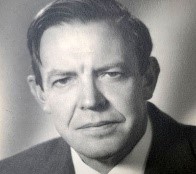
The formal career of Rein Arndt, who died on 1 January 2020 age 91, at his home in Stellenbosch, has been skillfully and in detail, sketched in an eulogy by Khotso Mokhele and an obituary by Marina Joubert.ظ╤ق╜،ع╣ق╜ق╜¤
In this obituary, the focus is on the man and scientist, Rein Arndt, as experienced by a younger colleague at RAU (now UJ) and whose path subsequently often crossed that of Arndt's.
As a result of his physical size, Rein Arndt was an imposing figure but he was also an impressive individual and an exceptional leader.ظ╤ق╜،ع╣ق╜ق╜¤ He was not a natural orator but despite this, was able to use his positive attitude to life and his unusual power of persuasion to convince others of his view.ظ╤ق╜،ع╣ق╜ق╜¤ He was surprisingly engaging and a good listener, which created confidence and self-confidence in younger people and students.ظ╤ق╜،ع╣ق╜ق╜¤ He was never disparaging but always searched for the positive to build on.ظ╤ق╜،ع╣ق╜ق╜¤ His strong sense of humor was contagious.ظ╤ق╜،ع╣ق╜ق╜¤ Yet, his feet were squarely on the ground leaving no time for daydreaming, pettiness or fretting about trivialities.
Disloyalty was unforgiveable in Rein's book.ظ╤ق╜،ع╣ق╜ق╜¤ However, he was never revengeful and neither held any grudges against persons involved.ظ╤ق╜،ع╣ق╜ق╜¤ Arndt, who acted as mentor for young staff members and students, often referred to his own role models:ظ╤ق╜،ع╣ق╜ق╜¤ Flippie Groenewoud, Chris van der Merwe Brink (both organic chemists), the academic Gerrit Viljoen, and his father, the mathematician W.F.C. Arndt.ظ╤ق╜،ع╣ق╜ق╜¤ Since his time at the ETH in Zurich, he fostered the ideas of philosopher Carl Jung.ظ╤ق╜،ع╣ق╜ق╜¤ Rein seldom spoke of his faith or religious beliefs but until his death remained an active member of the Lutheran Church.
Arndt was passionate about his subject, organic chemistry.ظ╤ق╜،ع╣ق╜ق╜¤ At RAU he was in the laboratory at 07:00, white jacket and all.ظ╤ق╜،ع╣ق╜ق╜¤ During his three sabbaticals he insisted on working in the laboratory amongst students [in 1978, in Cambridge, to the utter astonishment of his host Stuart Warren ع╣ظق╛╝éع╣ظق╛╝éô The disconnection approach.].ظ╤ق╜،ع╣ق╜ق╜¤ Rein's best work ع╣ظق╛╝éع╣ظق╛╝éô on alkaloid extraction, characterization and synthesis ع╣ظق╛╝éع╣ظق╛╝éô was perhaps done in the 1960s and included a few highly cited articles in collaboration with Carl Djerassi of Stanford University.ظ╤ق╜،ع╣ق╜ق╜¤ He published a few articles while at RAU and Stellenbosch.ظ╤ق╜،ع╣ق╜ق╜¤ At RAU, he appointed perhaps the best organic chemist in the country despite the competition such a move entailed for him.
When required, Arndt could act quickly and decisively.ظ╤ق╜،ع╣ق╜ق╜¤ With laboratory manager, Hannes Bezuidenhout (~ 100 kg) suddenly collapsing from cyanide poisoning, Rein picked him up like a baby, carried him man-alone down the fire escape to the parking lot and charged off to Hillbrow hospital.ظ╤ق╜،ع╣ق╜ق╜¤ A life was almost certainly saved.
His time at Stellenbosch was not a happy one.ظ╤ق╜،ع╣ق╜ق╜¤ Chris Garbers' invitation to Arndt to become Vice-President of the CSIR, paved the way for the establishment of a separate research foundation, then known as the Foundation for Research Development (FRD) with Arndt as first President.ظ╤ق╜،ع╣ق╜ق╜¤ This was the forerunner of the current NRF.ظ╤ق╜،ع╣ق╜ق╜¤ Rein had large ideas, which he knew how to set forth persuasively as described elsewhere.ظ╤ق╜،ع╣ق╜ق╜¤ This was his biggest achievement for which he was suitably honoured in various ways.
His family was very important and dear to Arndt.ظ╤ق╜،ع╣ق╜ق╜¤ At home he instilled the same values and attitude as in his work. [One of his beloved daughters said to the son of the author: "My dad says we can do everything better than any boy".]
Rein loved sport.ظ╤ق╜،ع╣ق╜ق╜¤ At RAU he arranged numerous friendly soccer matches for the Department in which he keenly participated.ظ╤ق╜،ع╣ق╜ق╜¤ He played squash until in his 70s.
Rein Arndt, the man, will be missed.
Prof Helgard Raubenheimer
U Stellenbosch
Prof EB Mubofu
Prof EB Mubofu played a key role in FASC as a member; he initiated the process to get the Tanzanian Chemical Society to host FASC 2017 in Arusha. ظ╤ق╜،ع╣ق╜ق╜¤He was well known to many of us.
Egid Beatus Mubofu (PhD) received his B.Sc. (Ed.) from the University of Dar es Salaam (UDSM) in 1992, after which he spent a year working for Unilever (TZ) as a factory management trainee at Kibwele Factory.ظ╤ق╜،ع╣ق╜ق╜¤ In 1994, he left Unilever and joined for MSc (Chem.) degree at the University of Dar es Salaam, Chemistry Department under the supervision of Prof. LL Mkayula where he successfully completed in 1996 and graduated in 1997.ظ╤ق╜،ع╣ق╜ق╜¤ In October 1997, he joined the University of York (UK) to pursue a PhD in chemistry where he completed his PhD in June 2001 and graduated in May 2002. ظ╤ق╜،ع╣ق╜ق╜¤His research was done at the Centre of Excellence in Green Chemistry, where he researched on novel environmentally benign supported palladium catalysts under the supervision of Prof. James H. Clark and Dr. Duncan Macqurrie. ظ╤ق╜،ع╣ق╜ق╜¤He then went on to become a postdoctoral research fellow for two years (2001-2003) at the University of Groningen, Stratingh Institute under the guidance of Emeritus Prof. Dr. Jan Engberts. ظ╤ق╜،ع╣ق╜ق╜¤In his postdoctoral tenure in the physical organic chemistry group, he worked on the use of water as an alternative cleaner and green solvent for performing Lewis acid catalysed Diels-Alder reactions. ظ╤ق╜،ع╣ق╜ق╜¤He returned to Tanzania in December 2003 and joined the Chemistry Department, University of Dar es Salaam as a lecturer. ظ╤ق╜،ع╣ق╜ق╜¤In 2008 he was promoted to a Senior Lecturer position and since 2012 he was appointed to Head of the Chemistry Department, at the University of Dar es Salaam until 30th June 2016 when he was appointed Acting Director General of the Tanzania Bureau of Standards. ظ╤ق╜،ع╣ق╜ق╜¤In November 2016, he was promoted to the position of Associate Professor of Chemistry at the University of Dar es Salaam. ظ╤ق╜،ع╣ق╜ق╜¤On May 2nd 2017, he was appointed by HE the President of the United Republic of Tanzania to the position of Director General of Tanzania Bureau of Standards (TBS), the position he had been in the acting capacity since 30th June 2016. ظ╤ق╜،ع╣ق╜ق╜¤In 2018 Professor Mubofu was appointed Vice Chancellor of University of Dodoma, a public university established in 2007, located in central Tanzania in the country’s capital city, Dodoma.
Professor Mubofu’s research interests were on green chemistry, nanomaterials and catalysis.ظ╤ق╜،ع╣ق╜ق╜¤ He served as an external examiner on several occasions at the University of Johannesburg and the University of Zululand.ظ╤ق╜،ع╣ق╜ق╜¤ He sadly passed away on 18th December 2018.ظ╤ق╜،ع╣ق╜ق╜¤ His funeral was held on 24th December 2018.
EDUCATION, Science and Technology Minister, Prof Joyce Ndalichako, yesterday led hundreds of mourners, including senior government officials, to pay final respects to Vice-Chancellor of the University of Dodoma (U DOM) Prof Egid Mubofu at Chimwaga Hall.
The University's hall was packed to capacity as tearful U DOM students, staff and residents of Dodoma thronged to pay tribute to the late Prof Mubofu who died in Pretoria, South Africa last Tuesday where he was taken for treatment. He was 55. "The nation has lost a diligent public servant who loved his country.
He used most of his time to address challenges facing the institution and staff," said Prof Ndalichako. The minister noted that within a short time since he was appointed Vice-Chancellor, Prof Mubofu had improved relations between U DOM and foreign universities and international institutions.
"Even when health complications started, he had just arrived from Japan where he held talks with Tokushukai Medical Group on the possibility of providing UDOM with mobile clinics to enable the institution's hospital offer health services to people in remote rural areas," she said.
UDOM Chancellor and retired President Benjamin Mkapa, described Prof Mubofu as a very humble person with audacity to make decisions. ظ╤ق╜،ع╣ق╜ق╜¤He said he made the decision to appoint him to the post of UDOM Vice-Chancellor based on his outstanding achievements in the academic arena, a good image in the society and at work, saying when a special team presented to him ten names of scholars for the post, he chose Prof Mubofu. ظ╤ق╜،ع╣ق╜ق╜¤He directed U DOM to print out more copies of Prof Mubofu's last speech, which was delivered on his behalf by Deputy Vice-Chancellor (Academic, Research and Consultation) Prof Peter Msoffe, in order to be distributed to staff. ظ╤ق╜،ع╣ق╜ق╜¤Mr Mkapa explained that Prof Mubofu's last speech, which was delivered on his behalf by Prof Msoffe during this year's graduation after Prof Mubofu's health complications started, demonstrated his vision and expectations towards U DOM.
U DOM Academic Staff Association (U DOMASA) representative Cosmas Mahenge, said Prof Mubofu played an instrumental role in uniting the staff and management of U DOM.
Survived by a wife and three children, Prof Mubofu will be laid to rest at his home village Tanangozi, in Iringa Region, today.
By Ludovick Kazoka in Dodoma
Prof P Cheplogoi
Professor Peter Cheplogoi was an Associate Professor and Chairman of the Chemistry Department at Egerton University in Kenya.ظ╤ق╜،ع╣ق╜ق╜¤ He obtained his PhD degree at the University of Natal under the supervision of Professor Dulcie Mulholland.ظ╤ق╜،ع╣ق╜ق╜¤ He sadly passed away on 10th November 2018.ظ╤ق╜،ع╣ق╜ق╜¤ He is survived by his wife Roselyne and daughters Esther and Sarah.
Dear Friends and colleagues
I write from the University of KwaZulu-Natal, South Africa, where Peter has many friends.ظ╤ق╜،ع╣ق╜ق╜¤ We registered for our PhDs at the University of Natal in 1999 along with Tracy Pohl and joined Phil Coombes who was already registered for a PhD. At the same time, Chantal Koorbanally, Angela Langlois and Katherine McFarland registered for their MSc degrees and then went on to PhDs.ظ╤ق╜،ع╣ق╜ق╜¤ We formed an active Natural Products Research Group under the guidance of Professor Dulcie Mulholland, of which Peter was an active member.ظ╤ق╜،ع╣ق╜ق╜¤ He was one of the first Kenyans to join the University of Natal for a PhD in Chemistry.
Peter was very well liked.ظ╤ق╜،ع╣ق╜ق╜¤ He was a true gentleman and an extremely humble person.ظ╤ق╜،ع╣ق╜ق╜¤ We kept each other company while working in the laboratory and enjoyed taking our tea breaks together talking about all sorts of things.ظ╤ق╜،ع╣ق╜ق╜¤ Peter often celebrated Christmas and birthdays with us and was part of the family, fitting in very well.ظ╤ق╜،ع╣ق╜ق╜¤ We also travelled abroad together and discovered new places.ظ╤ق╜،ع╣ق╜ق╜¤ Peter was great company to travel with and very easy going.
We finished our PhDs in December of 2001 and graduated in April the following year, Peter Cheplogoi, Phil Coombes, Tracy Pohl and myself along with several Masters and Honours students.ظ╤ق╜،ع╣ق╜ق╜¤ I still have that priceless group graduation photo in my office.
When Peter finished his PhD he went back to Egerton University, but still kept the relationship going. He rose amongst the ranks to Associate Professor and examined many of my postgraduate student's theses.ظ╤ق╜،ع╣ق╜ق╜¤ No matter how busy he was, Peter would never turn down a request from me to examine one of my student's thesis.ظ╤ق╜،ع╣ق╜ق╜¤ He also forged relationships with others in the department.ظ╤ق╜،ع╣ق╜ق╜¤ In December 2010, he invited Prof Nyamori to give a lecture, which was very well attended, and included the then Dean, Prof. Moses Rotich.ظ╤ق╜،ع╣ق╜ق╜¤ He also introduced Prof Nyamori to Dr Joshua Kibet, and the two have formed a very productive collaboration.ظ╤ق╜،ع╣ق╜ق╜¤ Through this relationship a Kenyan student will now be enrolled at UKZN, South Africa.
Peter will always be remembered for always having a smile on his face, his kind heart, gentle nature and all round goodness.ظ╤ق╜،ع╣ق╜ق╜¤ He touched the lives of many in South Africa and will always be remembered.
Hamba Gashle Peter
Neil A. Koorbanally
University of KwaZulu-Natal (School of Chemistry and Physics)
Aaron Klug
Nobel-winning scientist who examined crystal structure, dies at 92
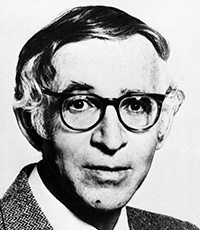
November 24 at 3:41 PM
Aaron Klug, a British scientist who won a Nobel Prize for developing techniques that used electronic probes and crystallographic techniques to discern the architecture and molecular arrangement of some of the molecules essential for life, including the chromosome, died Nov. 20. He was 92.
His death was reported in British newspapers and scientific publications. Details were not immediately available.
Dr. Klug held a PhD in physics but won the Nobel in 1982 for chemistry, for applying techniques from physics and mathematics to problems of molecular structure that could be regarded as within the domain of chemistry.
He was "a towering giant of 20th century molecular biology who made fundamental contributions to the development of methods to decipher and thus understand complex biological structures," Venki Ramakrishnan, president of Britain's Royal Society, said in a statement.
In great degree, Dr. Klug devised and demonstrated techniques of creating pictures of the arrangement of the atoms of crystalline substances in their three-dimensional, previously invisible reality. His work has had profound implications in the study of biology and medicine, including some forms of medical imaging.
Dr. Klug made use of one of the great dualities in science: the existence of electromagnetic radiation and of electrons as both waves and particles, with each regarded as equally real.
In the most fundamental sense, scientists probe crystals by bouncing beams of electrons off their atoms. They infer structure by charting the paths of the rebounds.
In addition, subjecting a crystal to electromagnetic radiation from many angles provides further information. Properly analyzed, the patterns made by the reflected radiation can produce a map of a molecule in its full three dimensions.
Dr. Klug's contribution was made possible, at least in part, by his mastery of many scientific techniques, and his ability to transfer methods from physics to the life sciences. Excursions beyond the boundaries of physics into other fields, biology in particular, were not so common, he once noted.
"Many physicists," he observed, "hate the idea of anything wet and sloppy."
Among the major contributions made by Dr. Klug and co-workers was to break down a substance called chromatin into fragments susceptible to diffracted X-rays and the beams of electron microscopy. It is in chromatin that DNA is packaged within living tissue.
Dr. Klug also worked on another molecule of fundamental importance, transfer RNA, and later in his career worked on proteins called zinc fingers, which are involved in switching genes off and on. His research has contributed to the understanding of Alzheimer's disease and other forms of neurodegenerative disease.
In 1982, the Nobel committee awarded the chemistry prize to Dr. Klug "for his development of crystallographic electron microscopy and his structural elucidation of biologically important nucleic acid-protein complexes."
Nucleic acids are fundamental building blocks of living matter; making known their structures has contributed to deeper insights into the mysteries of life.
Mapping the unseen in this manner can be regarded as the solution of a puzzle, and from childhood, Dr. Klug found himself drawn to puzzles.
He was born in Zelvas, Lithuania, on Aug. 11, 1926. He was 2 when his father, an artisan who also became involved in raising cattle, moved the family to Durban, South Africa, hoping to find a home more congenial to Jews. He was educated at Durban High School.
One of Dr. Klug's earliest fascinations was with Egyptology. Later, the book "Microbe Hunters" by Paul de Kruif, whetted an interest in science. In 1945, he graduated from the University of Witwatersrand in Johannesburg. Drawn by physics, he obtained a master's degree from the University of Cape Town, followed by a PhD in solid state physics at Britain's University of Cambridge in 1952.
In England, he worked at top-ranked institutions with some of the celebrated scientists of his era, including Rosalind Franklin, whose specialty was crystallography. Her work, which led to the discovery of the structure of DNA, has often been said to have been denied full recognition for her contributions until well afterward, possibly because of her gender.
With Franklin, Dr. Klug worked on the structure of tobacco mosaic virus, a springboard to learning more about molecular structure. Through Franklin, he said, he learned something particularly important.
He said he had a tendency to squander energy in service to his wide-ranging curiosity. From Franklin, he learned how important it was at times "to be single-minded."
Through Franklin, Dr. Klug became a friend of Francis Crick, who shared the Nobel Prize with James Watson and Maurice Wilkins in 1962 for discovering the structure of DNA.
Crick helped Dr. Klug's research group became part of a molecular biology lab at Cambridge. In 1968, Dr. Klug and his collaborators announced the technique of Fourier electron microscopy, showing how seemingly limited data could permit three-dimensional molecular reconstructions. The discovery revealed the structures of hundreds of molecules and produced nothing less than a revolution in the field of structural molecular biology.
In 1986, Dr. Klug became director of the Cambridge molecular biology laboratory, serving until 1996. He was also president from 1995 to 2000 of Britain's venerable Royal Society, the world's oldest scientific organization, whose members have included Isaac Newton, Charles Darwin and Albert Einstein.
In 1948, Dr. Klug married dancer and choreographer Liebe Bobrow; they had two sons and several grandchildren. Complete information about survivors was not available.
"Almost everything I've worked on," Dr. Klug once said, "after I started, other people moved in and did all sorts of useful work, but by then I'd moved on to something else."
The reason, he said, was that "people jump in when they see something good and spoil the fun, really."
Read more Washington Post obituaries
Paul O’Brien
Materials chemist who perfected nanoscientific techniques and enabled important advances in electronics

Paul O’Brien used chemical synthesis to create tiny semiconductor particles called quantum dots. Photograph: Royal Society.
In 1995 the leading British materials chemist Paul O’Brien, who has died aged 64 after suffering from brain cancer, began to use chemical synthesis to make quantum dots, which are tiny semiconductor particles, only nanometres across, that can be made to emit light of varying colours according to their size. Up to that point quantum dots had been difficult to produce, requiring the use of hazardous metal alkyl precursors at high temperatures. O’Brien’s new method not only allowed them to be mass-produced; it also required much less energy and generated fewer harmful byproducts.
As a consequence, quantum dots are now ubiquitous in modern electronics and are used in any number of applications, from lighting and visual display units to solar energy capture and bio-markers, which help doctors to detect disease in the human body.
O’Brien’s work on this branch of nanoscience, dealing with materials that are typically thousands of times smaller than the width of a human hair, was revealed to the world in a 1996 paper in the journal Advanced Materials, and was a key discovery in its field. Thereafter he concentrated on the real-world impact of his work, producing a number of patents based on the process and, in 2001, establishing a company, Nanoco Technologies, which supplies quantum dots to global businesses such as Dow, Wah Hong Co and Merck.
Born in Collyhurst, Oldham, Paul was the son of Thomas, an engineer at the electrical engineering firm Ferranti, and Maureen (nee Graham), a clerk at a raincoat factory. From Cardinal Langley grammar school in Middleton he went to the University of Liverpool, where he gained a degree in chemistry, and to University College Cardiff for his PhD studies on the binding of metals to amino acids.
In 1978 he became a lecturer at Chelsea College of Science and Technology in London, and six years later moved to Queen Mary College, London (now Queen Mary University of London), where he spent 11 years, latterly as a professor, developing the materials chemistry activity for which he is celebrated. His insights at the time, he always stressed, were highly influenced by discussions with a colleague at Queen Mary, Donald Bradley, who was using a similar approach to making other inorganic materials.
In 1995 he became professor of materials science at Imperial College London, and in 1999 moved to the University of Manchester to a joint professorship between Victoria University of Manchester school of chemistry and the Materials Science Centre jointly run by Victoria University of Manchester and Umist. During this time he also acted as associate dean for research and, from 2002, head of the department of chemistry, playing a key role in bringing together departments during the merger of Victoria University of Manchester with Umist.
He was head of the school of chemistry that resulted from the merger, and then head of the school of materials (2011-15). His common sense and immense patience proved invaluable in breaking down barriers between groups that had, until the merger, been in competing institutions.
O’Brien retired in July 2018 after his diagnosis, and approached his illness with his usual scientific curiosity and optimism, drafting and editing papers from his hospital bed, which he turned into an impromptu office. He published more than 700 scientific papers across his career and helped more than 100 young researchers obtain PhDs under his watchful eye, many of them scientists from developing countries.
He was passionate about science in Africa, and his advocacy and leadership in that sphere led to the procurement of significant amounts of funding from the Royal Society and the UK government for new materials for solar energy capture in three African countries. Elected a fellow of the Royal Society in 2013 and a fellow of the Royal Academy of Engineering in 2016, he was appointed CBE in 2016.
A wonderful raconteur who was generous with his time and energy ع╣ظق╛╝éع╣ظق╛╝éô and who amused everyone with his unique emailing style, which varied from minimalist to poetic ع╣ظق╛╝éع╣ظق╛╝éô he somehow found time outside his scientific work for many other interests, including reading, hill-walking and camping, theatre and football.
He is survived by his wife, Kym (nee Evans), whom he met while studying in Cardiff and married in 1979.
ع╣ظق╛╝éع╣ظق╛╝éعéق╛ظî Paul O’Brien, scientist, born 22 January 1954; died 16 October 2018
Article reprinted from The Guardian
David Lewis
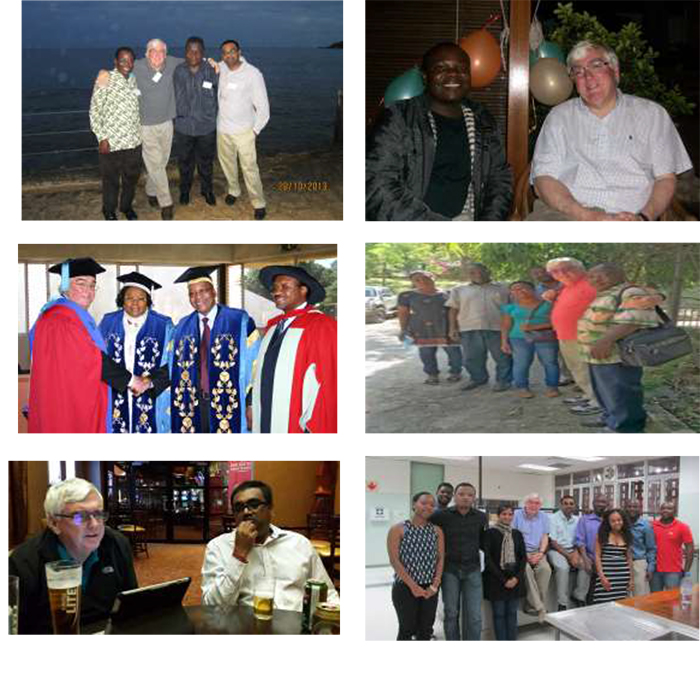
Professor Paul O’Brien had a long association with chemists in Africa, particularly with the University of Zululand.ظ╤ق╜،ع╣ق╜ق╜¤ He will be sadly missed.ظ╤ق╜،ع╣ق╜ق╜¤ Here we show some photos of Prof O’Brien with colleagues at the SACI 2013 Convention in East London, at the University of Zululand and, also, at the University of Dar es Salaam in Tanzania.ظ╤ق╜،ع╣ق╜ق╜¤ He was awarded an Honorary Doctorate from the University of Zululand.
Below is a link to an audio clip for his thanksgiving service held on 6 November 2018 in Manchester:
http://wilmslowmethodists.org.uk/prof-paul-obrien/
Link to another obituary highlighting his work in Africa
https://www.youtube.com/watch?v=zG3ac-JnlLw&feature=player_embedded
Professor Andre Goosen
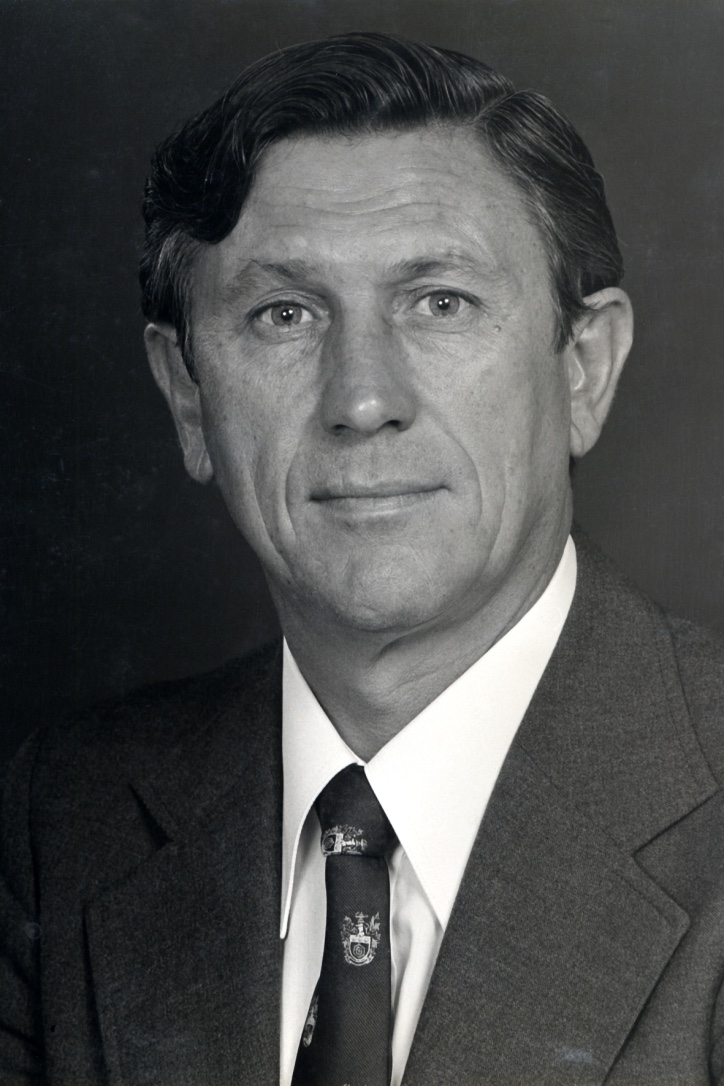
Professor André Goosen was born in Queenstown and matriculated at Queen’s College in 1949. His ambition was to become a sailor, but his mother disabused him of this notion by arranging a passage on his uncle’s fishing trawler for an extended run out of East London. By the time they returned to port, the young man had determined that lengthy spells at sea in exclusively male company was not as attractive a prospect as he had imagined.
And so it was to university, enrolling at the University of Natal (Pietermaritzburg), to complete a BSc degree in 1954, majoring in Chemistry and Physics, followed by a BSc(Hons) in Chemistry in 1955. He was awarded an MSc in 1956 followed by a PhD in 1960, with his research on the alkaloids of the Amaryllidaceae being carried out under the supervision of the doyen of natural product chemistry in South Africa, Professor Frank L. Warren.
In 1956 Goosen was appointed at the University of Natal as a Junior Lecturer, followed by Temporary Lecturer, and was promoted in 1960 to Lecturer in Organic Chemistry. While at Natal he met and later married Joan Sansbury, also a student of chemistry.
The couple spent 1963 in London with Goosen as Visiting Lecturer at the Imperial College of Science and Technology, under the tutelage of Professor Derek H. R. Barton, who was to be awarded the Nobel Prize for Chemistry in 1969 and knighted in 1972. For his research in which he showed that the photolysis of N-iodoamides provided a general route to y-lactones, Goosen was awarded the Diploma of Imperial College. In his case a special concession was required to qualify, as the regulations then stipulated a two-year minimum residential period. He resumed his post at the University of Natal at the end of the same year and was promoted to Senior Lecturer in Organic Chemistry.
With Warren’s encouragement, Goosen applied for a post at the fledgling University of Port Elizabeth in 1964 and assumed the new Chair of Organic Chemistry at UPE in January 1965, at the age of only 32. He was destined to spend the rest of his life in Port Elizabeth, twenty-eight of these at the university.
He and the late Professor Ferdi de Wet who was appointed at the same time, along with Professor Jan du Preez two years later, set about building up a Chemistry Department from scratch on the old Bird Street campus. The task of developing curricula, starting the academic programme, building laboratories, and establishing research was a daunting one that they tackled with enthusiasm and energy. In 1979 the Chemistry Department moved into spacious well appointed facilities that they were instrumental in designing, on the new Summerstand campus. Under their guidance, the department flourished.
Goosen proved to be a highly capable administrator and was Head of Chemistry at various intervals for seventeen years in total. He furthermore served three five-year terms as Dean of the Faculty of Science in the period 1969-1990, at times concurrently with the Headship, while also carrying a full teaching load and as a FRD B-category scientist, leading a research group. He sat on numerous UPE committees and was Senate representative on the UPE Council (1990-1993).
Moreover, he was involved in the South African Chemical Institute in various capacities, locally and nationally, serving as National President in 1979-1980, and as a member of the editorial board of the South African Journal of Chemistry. He was a member of the Joint Matriculation Board for twenty-three years including stints as Chairman, and sixteen years as Chemistry Moderator for Matriculation Physical Science. He was appointed by the Committee of University Principals to the Matriculation Board in 1992-1993. He also served on advisory committees of the CSIR and South African Council for Natural Scientists, and was a member of the international advisory board of the Royal Society of Chemistry journal, Perkin Transactions 1.
Notable awards received by Goosen were the AECI Gold Medal of the South African Chemical Institute in 1975, followed by the Gold Medal in 1992 in recognition of his contribution to chemical education and research on free radical reactions.
He was a member of the Royal Society of Chemistry (London), a Fellow of the Royal Society of South Africa, and a Honorary Life Member of the South African Chemical Institute. He was registered with the South African Council for Natural Scientists.
Aside from his stint at Imperial College, he was also a Visiting Professor at the University of Utah (USA) in 1972 at the invitation of Professor Cheves Walling, a notable figure in free radical chemistry. Later came spells as Visiting Lecturer at the University of Aberdeen (UK) in 1978, and Visiting Scientist at the Weizmann Institute (Israel) in 1985.
Goosen was an inspiring lecturer and supervisor whose energy and positivity seemed boundless. He revelled in his work and would claim, "I have never worked a day in my life!” Such was his enthusiasm for chemistry that this was quite believable. He was a productive researcher, blessed with excellent practical skills, who authored 80 research papers and supervised 34 MSc and 15 PhD students.
In his time, Goosen injected new perspectives into the South African chemistry scene. From Imperial College he brought the modern mechanistic approach to teaching organic chemistry. When he assumed the post at UPE, organic chemistry research in South Africa was largely based on natural products, the field in which he himself was schooled. However, he broke new ground, shifting his focus to physical organic chemistry, working on the chemistry of free radicals and other reactive intermediates. This move proved to be a percipient one as his career would coincide with what was arguably a golden era for physical organic chemistry. His group would make significant contributions to the chemistry of organic hypoiodites, peroxides, N-iodoamides and related species. Aside from the fundamental research, he also engaged with industry on applied problems, most notably with AECI, UCOR, Sasol and Illovo Sugar.
After he retired from university life in 1993, Goosen entered local politics, representing the Democratic Alliance as a Councillor and in various other capacities in the Port Elizabeth Transitional Local Council and subsequently in the Nelson Mandela Bay Metropole Council (2000-2011).
Throughout his life he was active in various community, church and sailing circles; in his later years he became a keen bowler. He had the enviable knack of balancing work and play, performance with pleasure. Although it was never to be his occupation, he indulged his passion for sailing in his leisure time, at first with a dinghy on the Swartkops River, where he became Commodore of the Redhouse Yacht Club. Later there was Eve, a thirty-one foot keelboat that he sailed from Cape Town to Port Elizabeth and moored in the harbour at the Algoa Bay Yacht Club. Weekend sailing in the bay gave him endless pleasure, sometimes with postgraduate students roped in as crew. At home he and Joan were excellent hosts and he would be at his most affable with the company of friends and a glass of cabernet sauvignon close at hand.
Professor André Goosen was a widely respected and loved man who touched many lives in various arenas. He will be remembered for his high ethical and professional standards, his deep concern for the people he worked with, and above all his love of learning, which inspired those around him. Predeceased by his wife Joan and daughter Dalene, he is survived by their sons Raoul and Pierre.
Emeritus Professor Cedric W. McCleland, Department of Chemistry, Nelson Mandela University
Prof. Ben Zeelie
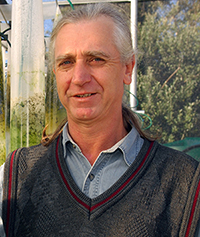
Prof Ben Zeelie dedicated his life to developing his team of staff and students. Encouraging them to take responsibility for each other. He believed in making Science practical and relevant to the public.
On a more formal note, he obtained his PhD in Chemistry at the University of Port Elizabeth and paid it forward by acting as promoter/co-promoter for 63 masters and doctorate students, this excludes those he examined and consulted for. Refereed Publications he wrote totalled 27 that we know of and 19 Patents excluding those on Coal fine Purification, Microalgae Cultivation, Process equipment and Coalgae which were either granted, filed or registered between 2010 and 2015. He contributed to over 50 conference proceedings during his career.
Some of the coursed he developed included:
-
Research Methodology for Chemists” - for B Tech/Honours and new master’s degree students.
-
“Laboratory Process Development” – course for Master’s degree students.
-
“Good Research Practice” – an informal course for Master’s and Doctoral students in good research practices.
-
“M Tech: Chemistry (Product and Process Development) - a structured Master’s degree as a “Technical” alternative to the traditional MBA.
-
“BSc Honours in formulation Science” – a multi-disciplinary program aimed at new product development.
-
“Diploma in Chemical Process Technology” – a program for the training of process technicians and process operators.
Government services played a pivotal role in his career, he was a leader in establishing new initiatives in South Africa, a:
-
Member of task team for the preparation of the proposal for the establishment of the Automotive Components Technology Station (Tshumisano Technology Stations Programme).
-
Member of the NACI Task Team – Chemical Industry.
-
Leader of the task team for the proposal to establish the South African Chemical Technology Incubator in Port Elizabeth (Former GODISA Incubator Programmes).
-
Chairperson of the Board of Directors – South Africa Chemical Technology Incubator.
-
Author of the proposal to establish the Downstream Chemicals Technology Station (Tshumisano Technology Stations Programme).
-
Member of the South African Research Infrastructure Roadmap Team (2013).
Technology Transfer and Entrepreneurial contributions Prof Zeelie was instrumental in or a founder of, can be listed as follows:
-
Established “ChemQuest”, the commercial analytical service arm of the department of chemistry, 1992. (EX-PET Unit – Now operating as InnoVenton Analytical).
-
“EnviroQuest”, Spin-off company formed from ChemQuest activities, 1998 (CC).
-
“Techno-Lab Services”, Spin-off company formed from ChemQuest activities, 2001. (CC).
-
Project leader for the establishment of “CHEMIN”, The South African Chemical Technology Incubator, 2002. (S21 Company).
-
Established the Chemical Technology Centre (CTC) at PET for the scale-up and commercialisation of chemical production processes, 2004 (now incorporated into the Institute of Chemical Technology).
-
Team member in the establishment of “PET Innovations”, the commercial arm for the exploitation of PE Technikon held IP, 2003. (Pty Company).
-
Led task team for the establishment of the “Office of Innovation Support and Technology Transfer” at the NMMU (2006)
-
Insect repellent formulation: Product development, manufacturing and commercialisation.
-
Rose preservation process, AfricaEverose, now Floralush Pty LTD (2007)
-
Established InnoVenton: NMMU Institute for Chemical Technology (2005)
University Services:
-
Member of the NMMU Central Research Committee.
-
Member of the Faculty of Science Research Committee.
-
Member of the NMMU Intellectual Property Committee.
-
Leader of Task Team to Develop Innovation Support and Technology Transfer Structures for the NMMU.
-
Member of Senate.
-
Member of the NMMU Innovations Committee.
-
Member of the NMMU Engagement Committee.
-
Member of the NMMU Task Team to revise the NMMU’s Performance Management System.
-
Proposer for the establishment of a SARChI Chair in Microfluidic Bio/Chemical Processing (2012).
-
Examiner/moderator for other higher education institutions:
-
University of the Free State (MSc).
-
University of Potchefstroom (MSc).
-
University of Port Elizabeth (BSc Hons (Statistics)).
-
Rhodes University (Reviewer for industrial chemistry projects).
-
University of Pretoria (MSc).
-
University of Cape Town (M Eng).
-
Rand Afrikaans University (MSc).
-
Member of task team for the establishment of the Centre of Excellence in Catalysis at UCT.
-
External reviewer for UCT – Entities Program.
-
External Advisor for the Merger of Chemistry Departments – Walter Sisulu University.
His services to the South African Chemical and Allied industries are too numerous to mention, and range from proposals, technical solutions for problems, characterizations, various specialist studies to tailor made courses for particular applications and skills development.
Also this quote from Nelson Mandela is very apt in respect of Ben:
“What counts in life is not the mere fact that we have lived. It is what difference we have made to the lives of others that will determine the significance of the life we lead.” Ben certainly made a big difference to a number of lives.
Dr Melissa Gouws
Technology Station Manager
InnoVenton
Mr. Gerhard von Gruenewaldt
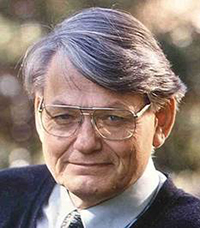
The National Research Foundation regrets to announce the passing of Gerhard von Gruenewaldt, a former vice-president of the organisation and one of its driving forces in its progress since its establishment.
He joined the NRF’s forerunner, the Foundation for Research Development (FRD) in 1992 as vice-president for programmes and planning where he was instrumental in realigning research support for higher education with the changing realities and needs of the new South Africa. On the establishment of the NRF, he was appointed its vice-president and managing director for its Research Support Division where he helped integrate the activities of the former FRD and the Centre for Science Development (CSD) and the establishment of the new research support framework for the natural sciences, engineering, social sciences and humanities. He also oversaw the Technology and Human Resource for Industry Programme (THRIP) on behalf of the Department of Trade and Industry and the Innovation Fund on behalf of the Department of Science and Technology.
Gerhard also worked as a consultant and part time research advisor to the University of the Witwatersrand. In recent years he was involved extensively with various projects relating to the evaluation of research programmes and research infrastructure. Apart from his involvement with TechnoScene in the study of “The Required Physical Infrastructure to Attain the Vision of the National System of Innovation”; an “Interim Review of the South African Research Chairs Initiative (SARChI)”; and a review of the National Equipment and the National Nanotechnology Equipment programmes, he conducted investigations entitled “A Proposed Recapitalisation Strategy of the National Research Facilities” and “An Optimal Model for the Establishment of a South African Polar Research Entity”, both for the NRF. He served as chairperson of the five yearly review of the Council for Geoscience in 2009 and, since retiring from the NRF, remained involved with the evaluation and rating of South African scientists.
Gerhard also worked as a consultant and part time research advisor to the University of the Witwatersrand. In recent years he was involved extensively with various projects relating to the evaluation of research programmes and research infrastructure. Apart from his involvement with TechnoScene in the study of “The Required Physical Infrastructure to Attain the Vision of the National System of Innovation”; an “Interim Review of the South African Research Chairs Initiative (SARChI)”; and a review of the National Equipment and the National Nanotechnology Equipment programmes, he conducted investigations entitled “A Proposed Recapitalisation Strategy of the National Research Facilities” and “An Optimal Model for the Establishment of a South African Polar Research Entity”, both for the NRF. He served as chairperson of the five yearly review of the Council for Geoscience in 2009 and, since retiring from the NRF, remained involved with the evaluation and rating of South African scientists.
Gerhard was born in Germany in 1942 and studied Geology at the University of Pretoria where he obtained his BSc, Honours, Master’s and Doctorate and where he worked as Lecturer and Head of the university’s Geology Department for 13 years. He was awarded a Research Fellowship from the Alexander von Humboldt Foundation at the University of Munich in 1974. He was appointed an Honorary Professorship in the Department of Earth Sciences at the University of Pretoria in 2002.
As a scientist, Gerhard made significant contributions to research on the genesis of rocks in the unique Bushveld Complex and associated ore deposits. His work, particularly in the field of platinum mineralisation, led to valuable new insights regarding the nature of occurrence and genesis of these important ores which, besides earning him international recognition as a scientist, including an A-rating from the FRD in 1989, have had considerable importance for the South African mining industry.
Among his many achievements, Gerhard was awarded the Corstorphine Medal and student’s prize from the Geological Society of South Africa in 1966 and its Draper Memorial Medal in 1990 as well as the Award for Excellent Achievements from the University of Pretoria. He authored and co-authored more than 60 research papers and supervised 23 masters and seven doctoral students.
The NRF gratefully acknowledges Gerhard’s contribution to the advancement of science in South Africa.
He leaves behind a wife and two children.


